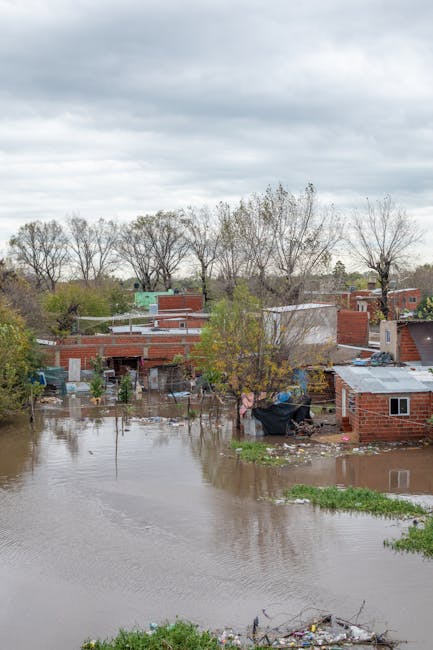
Urgent gardeners same day callout for Upton flood damage
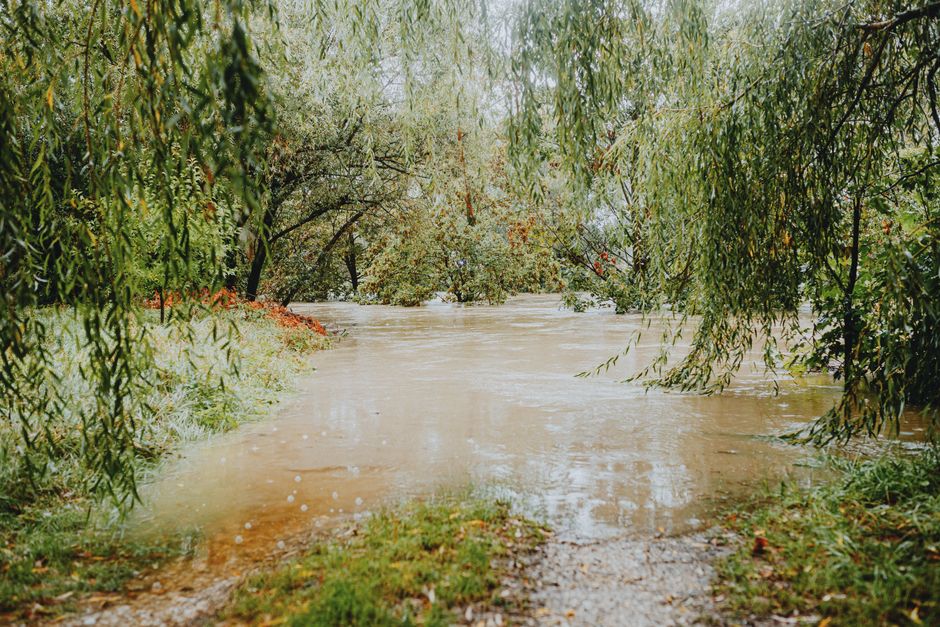
If floodwater has left your garden muddy, flattened, or half-swamped, you probably do not need a lecture. You need a fast, sensible plan. That is exactly where an urgent gardeners same day callout for Upton flood damage can make a real difference. The aim is simple: stabilise the space, reduce further harm, and get your outdoor area safe enough to work in again without making the damage worse.
Flooding can turn a tidy Upton garden into a slippery mess in a matter of hours. Turf lifts, soil compacts, beds clog with silt, and hard surfaces become dangerous underfoot. In the first 24 hours, the choices you make matter. This guide explains what same-day garden callout support involves, when it is worth booking, what a good response looks like, and how to avoid the usual mistakes that slow recovery down.
Why Urgent gardeners same day callout for Upton flood damage Matters
Flood damage in a garden is not just about a bit of standing water. The real issue is what happens next. Saturated ground can suffocate roots, break down lawn structure, and spread debris into beds and borders. If the water came through fast, it may also have brought silt, leaves, branches, litter, and in some cases contaminated runoff. To be fair, that is a lot to deal with in one go.
A same-day callout matters because the first response can limit the scale of the recovery. If wet soil is walked on repeatedly, it compacts and becomes harder to restore. If fallen branches are left where they are, they can trap moisture and create a slipping hazard. If decking, patios, or paths stay covered in slime, they remain unsafe. The speed of response is about protecting both the garden and the people using it.
There is also a visual side to it. Flooded gardens can look worse than they are, which makes it easy to panic. But a lot of damage is reversible if the site is assessed quickly and handled carefully. Sometimes the difference between a garden that recovers in weeks and one that struggles all season is a prompt, well-judged clean-up.
For many homeowners, the emotional side matters too. You look out the window and see broken borders, mud lines, and flattened planting. It feels messy and oddly personal. A good urgent garden response helps put shape back into the space, even before full restoration begins. Small win, but a real one.
How Urgent gardeners same day callout for Upton flood damage Works
A same-day garden flood callout usually starts with a quick phone conversation or message to explain what has happened. The more practical detail you can give, the better. For example: where the water gathered, whether the lawn is boggy, whether tree branches have fallen, whether patio slabs are slippery, and whether fences or raised beds have shifted. You do not need perfect wording. Just the facts as you see them.
Once the request is made, the next step is an initial assessment of urgency. Not every flooded garden needs the same treatment. A small amount of surface water after heavy rain is very different from a garden that has taken on several inches of muddy runoff. The response might focus on clearance, drainage checks, debris removal, and making key areas safe to access.
From there, the work is usually prioritised in layers:
- make the site safer to walk around
- clear obvious debris and storm waste
- identify areas of trapped water or severe compaction
- protect plants, turf, timber, and structures where possible
- plan any follow-up repair or recovery work
If the flooding has affected more than one part of the garden, a broader garden maintenance approach is often the smartest way forward after the immediate clear-up. Same-day action solves the urgent part. Maintenance then handles the recovery properly, not just the surface mess.
In practical terms, the job may involve hand tools, rakes, brushes, wheelbarrows, secateurs, and sometimes light pressure cleaning for hard surfaces. If the flood has caused plant loss or exposed roots, the work becomes more delicate. That is where a gardener's judgment is worth more than speed alone.
Key Benefits and Practical Advantages
The biggest benefit is damage control. A flooded garden can go downhill quickly if it is left unattended. Same-day intervention helps stop minor issues turning into long recovery jobs. That matters with lawns in particular, because waterlogged turf can tear, compact, or develop patchy dead areas if it is trampled too soon.
Another major advantage is safety. Slippery paving, unstable boards, broken edging, and hidden debris all create risks. If you have children, pets, or older relatives at home, the garden can become awkward very quickly. A prompt visit can make the space usable again without guesswork.
There is also the benefit of protecting valuable features. Good timber decking, decorative fencing, established borders, and mature shrubs often survive flooding better when they are cleaned and supported early. If the flood has affected a deck or timber feature, the right follow-up may include decking services in Upton DA6 to inspect and repair the surface before decay or warping sets in.
For gardens with repeated run-off or poor drainage, urgent work can also highlight bigger design problems. That can save money later, because the real issue may not be the flood itself, but the way water is moving through the plot. In those cases, a gardener might recommend landscaping support to reshape levels, improve drainage paths, or create more resilient planting areas.
And then there is the simple relief of seeing someone turn up quickly and get stuck in. Flood cleanup is one of those jobs that feels twice as large when you are standing in the middle of it alone. A professional pair of hands changes the mood fast.
Who This Is For and When It Makes Sense
Same-day flood callout support makes sense for homeowners, landlords, tenants with garden responsibility, and property managers who need the outside space stabilised quickly. It is especially useful if the garden is part of a rental property, because wet ground, debris, and damaged access routes can become awkward very fast.
You should seriously consider urgent help if any of these apply:
- the lawn is visibly waterlogged or sinking underfoot
- there is mud or silt across patios, paths, or steps
- branches, leaves, or garden waste are blocking drains or access
- fences, gates, or posts have shifted after the flood
- plant roots, shrubs, or young trees are exposed
- timber structures are holding moisture for long periods
It also makes sense if you are planning to sell, rent, or reopen a property after weather damage. A garden does not have to be pristine the same day, but it does need to look controlled and safe. That first impression counts more than people admit.
On the other hand, if the flooding is very minor and the weather is stable, you may be able to handle light clean-up yourself. The key is not to overestimate what you can safely do in one afternoon. Wet clay, unstable paving, and waterlogged planting beds can be tougher than they look.
For lawn-specific damage, some homeowners choose to combine urgent clean-up with longer-term turf recovery through lawn care. That can help if the grass has become thin, yellowed, or compacted after the water drains away.
Step-by-Step Guidance
If your garden has flooded, here is a sensible order of play. Keep it calm. No heroics.
- Check the immediate risks. Look for slippery surfaces, broken glass, exposed wiring, unstable fences, and heavy branches that could fall. Do not wade into deep or fast-moving water.
- Photograph the damage. Before anything is moved, take clear pictures of the garden from different angles. This is useful for your own records and any insurance conversation later.
- Separate urgent hazards from ordinary mess. Fallen branches, blocked paths, leaning structures, and trapped water need attention first. Decorative tidying can wait.
- Contact a local gardener for a same-day visit. Explain the depth of the problem and any access issues. If possible, share whether the floodwater is clean rainwater or muddy runoff.
- Clear access routes. If it is safe, move lightweight items such as pots, cushions, toys, or garden furniture out of the way.
- Let the ground breathe. Avoid heavy foot traffic on saturated turf and borders. Walking around too much can cause more compaction, and that is hard to undo.
- Deal with surfaces carefully. Slippery patios and decking may need brushing, washing, or specialist cleaning rather than aggressive pressure. For hard-surface recovery, patio cleaning in Upton DA6 can help restore grip and remove flood grime.
- Plan the follow-up work. After the emergency clean-up, decide what needs replanting, reshaping, trimming, or structural repair.
If trees or large limbs were involved, the next step may be inspection by a specialist service. A damaged branch can look fine from a distance and still be unsafe. In those cases, tree surgery in Upton DA6 may be the safer route than waiting and hoping for the best. Truth be told, hoping is not much of a strategy when a heavy limb is hanging awkwardly over the lawn.
For gardens with broken edges, overgrown access, or a lot of structural clutter after flooding, it can also help to think in terms of the whole garden rather than one isolated patch. That is where a broader gardening services in Upton DA6 visit becomes useful, because it can combine clearance, recovery, and practical improvements in one plan.
Expert Tips for Better Results
One of the most useful things you can do is resist the urge to rush. That sounds odd in an article about urgency, but it is true. Fast response does not mean rough treatment. A flooded border handled gently will usually recover better than one attacked with heavy tools and eager feet.
Watch the soil type. Clay-heavy soil stays wet far longer than sandy soil. If your garden sits on heavier ground, do not expect it to dry out quickly just because the surface looks better by the evening. That is one of those small but annoying realities of British gardening.
Protect what can be protected. If you have young shrubs or delicate planting, remove surface debris carefully and avoid burying crowns with silt. Do not dig aggressively around roots while the ground is sodden. Roots are fragile in that state, and damage may not show immediately.
If the flood has left weeds or invasive growth exposed, remove them early before the recovery period gives them a head start. It is much easier to manage problems while the garden is already being cleared. A useful follow-on read is weed control tips for busy gardens, especially if the flood has stirred up dormant growth.
For gardens with hedges that now look misshapen or battered by wind and water, light corrective trimming can restore structure. You do not always need a dramatic cut, just tidy lines and sensible shaping. If that is relevant, hedge trimming in Upton DA6 can bring the boundary planting back into shape without overdoing it.
A final tip: think about recovery in two stages. Stage one is safety and clean-up. Stage two is restoration. Trying to do both at once often leads to muddled work. Split the job. It is cleaner, simpler, and honestly less stressful.
Common Mistakes to Avoid
After a flood, people often make the same few mistakes. Most are understandable. Still, they can slow recovery down.
- Walking everywhere straight away. Wet lawns and beds compact easily. A few unnecessary steps can do surprising damage.
- Using too much force on surfaces. Aggressive cleaning can gouge timber, shift joints, or spread debris into cracks.
- Ignoring drainage clues. If water gathered in the same place twice, there is probably a reason. Not fixing it means the problem will return.
- Cutting back plants too sharply too soon. Flood-stressed plants need judgement, not panic pruning.
- Leaving broken or leaning structures for later. Later has a habit of becoming much later, and then the repair gets bigger.
- Forgetting the fence line. Floodwater can loosen posts and weaken panels. If the boundary has shifted, fencing in Upton DA6 may be needed to stabilise the perimeter and stop small failures from spreading.
Another common error is treating flood damage like ordinary tidying. It is not. Flood recovery is part clean-up, part assessment, part protection. If you remove the "assessment" bit, you usually pay for it later. Not always in money, sometimes in time and frustration. Which, let's face it, is its own kind of bill.
Tools, Resources and Recommendations
You do not need a shed full of specialist kit to begin flood recovery, but the right basic tools make a big difference. A practical response usually includes sturdy gloves, a garden rake, a stiff broom, loppers or secateurs, a wheelbarrow, buckets, and a hose or gentle wash setup for hard surfaces. If the mess includes thick silt, a shovel may be needed, but keep it light and controlled.
For a proper clean-up, experienced gardeners also pay attention to the order in which tools are used. Wet debris first, heavier debris second, then surface cleaning, then planting inspection. If you reverse that, you tend to smear mud around rather than remove it. Very efficient, in the wrong direction.
Useful service pages and reading can help you match the recovery plan to the damage:
- lawn mowing in Upton DA6 if the grass needs later recovery cuts once it dries out
- patio cleaning in Upton DA6 for stained or slippery paving after the water retreats
- landscaping in Upton DA6 when drainage or levels need a bigger rethink
- garden maintenance for longer-term tidy-up and recovery support
Among the blog resources, a few are especially handy after flood-related disruption. If you are rebuilding a space that now feels tired and patchy, revamping a forgotten backyard gives useful direction. If weather has exposed the weaker parts of your planting, preventing severe weather from ruining your garden is a sensible follow-up.
For households that use the garden as a family space, practical safety and layout matter more than perfection. A little planning can turn a damaged mess back into a usable space without overcomplicating things. It is not glamorous, but it works.
Law, Compliance, Standards, or Best Practice
Flood damage work in a garden is usually guided more by best practice than by complicated formal rules, but there are still a few sensible things to keep in mind. If floodwater may have contained contamination, waste, or sewage-like debris, avoid spreading it around or handling it without protection. Gloves, boots, and careful disposal are the obvious first step.
In the UK, homeowners and gardeners should also be mindful of safe working practices around electricity, unstable structures, and slippery access routes. If any outdoor sockets, lighting, pumps, or cables have been affected, do not assume they are safe just because they look dry. That is one of those moments where caution is completely justified.
Garden waste after flooding should be separated sensibly. Clean green waste, mud, contaminated debris, and broken materials may not all be handled in the same way. If there is any doubt, keep disposal conservative and avoid mixing everything together. Local waste rules can vary, so a practical gardener will usually err on the side of caution and tidy segregation.
Best practice also means protecting plant health. Damaging roots by digging too soon, compacting waterlogged soil, or cutting back at the wrong time can all set a garden back. A careful same-day response is therefore not just about speed. It is about doing the right things in the right order.
Options, Methods, or Comparison Table
There is no single recovery method that suits every flooded garden. The best approach depends on how deep the water went, how long it sat there, and what the garden is made of. This quick comparison may help.
| Approach | Best for | Strengths | Limitations |
|---|---|---|---|
| Light DIY tidy-up | Minor surface flooding, a little debris, no structural damage | Fast, low-cost, good for simple clean-up | Easy to underestimate hidden damage; not suitable for unstable surfaces |
| Same-day garden callout | Moderate flood damage, muddy beds, slippery paths, broken branches | Quick safety response, informed assessment, practical clean-up | May still require follow-up work for drainage or repairs |
| Full recovery and redesign | Repeat flooding, poor drainage, damaged lawns or borders, weak structures | Addresses the cause, not just the symptoms | Slower, more involved, usually needs a broader plan |
In many cases, the second option is the sweet spot. Same-day response stops the garden deteriorating, then follow-up work addresses the bits you cannot rush. That balance matters. Too little action and the damage lingers; too much too soon and you risk making things worse. It is a bit of a tightrope, honestly.
Case Study or Real-World Example
A typical Upton flood callout might begin after a heavy downpour leaves a back garden ankle-deep in muddy water by the fence line. The lawn is soft and patchy, the patio is slippery, and a few low branches have dropped into the border. The homeowner has already swept the back step twice, but every hour the mud seems to creep back in. Very annoying, and very common.
The first job is not to transform the whole garden. It is to make it manageable. Debris is removed from paths, the patio is brushed clean, and the soft ground is left alone except where shallow surface waste can be lifted without compacting the soil. A damaged branch is inspected and removed if needed. The fence line is checked for movement, because floodwater has a habit of revealing weak posts that were fine yesterday and not fine today.
Once the immediate safety issues are handled, the gardener identifies what needs follow-up. The lawn may need aeration later, the border may need fresh mulch once it dries, and the drainage route may need improving so the same pooling does not happen again. The whole thing feels less overwhelming once the work is broken into sensible steps.
That is the real value of a same-day callout. It does not pretend to solve everything at once. It puts the garden back under control, which is usually the moment people start breathing again.
Practical Checklist
Use this quick checklist if you are dealing with flood damage in an Upton garden:
- take photos before moving anything
- check for hidden hazards, including glass and unstable timber
- keep off saturated lawn and beds as much as possible
- move lightweight furniture, toys, or pots to dry ground
- clear obvious debris from steps and access paths
- book a same-day gardener if the damage is more than light surface mess
- ask whether you also need patio cleaning, hedge trimming, or tree work
- inspect fences, gates, decking, and raised beds after the water drops
- plan a follow-up visit for lawn recovery or landscaping improvements
- keep notes on what changed, in case the garden floods again
Quick expert summary: act early, keep the response gentle, and treat flood recovery as a process rather than a one-off tidy-up. If the space is safe, calm, and well assessed, it is much easier to rebuild it properly.
Get a free quote today and see how much you can save.
Conclusion
Flood damage in a garden can feel chaotic at first, but it is usually more manageable when you deal with it quickly and in the right order. Urgent gardeners same day callout for Upton flood damage is about more than convenience. It protects surfaces, plants, and structures while reducing the chances of a small flood turning into a long, annoying recovery project.
If you remember nothing else, remember this: safety first, gentle clean-up second, restoration third. That approach keeps the garden stable and gives it the best chance of recovering well. And once the mud is cleared and the paths are usable again, the whole place starts to feel like yours again. Small relief, big difference.
There is something quietly satisfying about seeing a battered garden come back to life after a rough night of weather. Not perfect. Just better. Then better again.
Frequently Asked Questions
What does a same-day garden flood callout usually include?
It normally includes an urgent assessment, debris removal, basic safety work, and practical advice on what to repair, clean, or leave until the ground dries out.
How quickly should I call a gardener after flood damage?
As soon as it is safe to do so. Early contact gives you the best chance of limiting compaction, surface damage, and plant stress.
Can a gardener help if my lawn is waterlogged?
Yes. A gardener can assess the damage, clear debris, avoid unnecessary traffic on the grass, and recommend sensible lawn recovery steps once conditions improve.
Will flood damage destroy my plants?
Not always. Some plants bounce back well, especially if the water drains quickly. Others may struggle if roots stayed submerged for too long or if muddy silt covered the crown.
Is patio cleaning useful after a flood?
Very often, yes. Floodwater can leave surfaces slippery, stained, and gritty. Cleaning the patio improves safety and helps the area dry properly.
What should I avoid doing before the gardener arrives?
Try not to walk over soaked lawn areas, dig into waterlogged beds, or use heavy pressure cleaning on delicate timber or paving. A light touch is usually best.
Do I need tree surgery after storm flooding?
Only if branches are broken, leaning, or clearly unsafe. If a tree has been damaged, it is worth getting it checked rather than assuming it will settle on its own.
Can flood damage affect my fencing?
Yes. Posts can loosen, panels can shift, and saturated ground can weaken support. If the fence is moving or leaning, it should be inspected quickly.
What happens if my garden floods again?
That usually means there is a drainage or layout issue worth addressing. A follow-up landscaping review can help reduce repeat flooding and protect the space better next time.
Is same-day help only for severe flooding?
No. It can also be useful for moderate flooding where the main goal is to stop the garden getting worse and to make it safe before nightfall.
How do I know whether I need general gardening services or a specialist service?
If the issue is broad clean-up, recovery, and tidying, general gardening services are often a good fit. If trees, decking, fences, or drainage are involved, a more specific service may be the better choice.
What is the biggest mistake people make after garden flooding?
Usually, they try to tidy too aggressively. Flooded soil, turf, and timber need careful handling, not force. A little patience saves a lot of repair work later.