Upton CH49 gardeners for quick tidy and lawn care: a practical guide for a neater garden, fast
If your garden has reached that awkward stage where the lawn is shaggy, the borders look a bit tired, and the whole place just needs a proper once-over, you are in the right place. Upton CH49 gardeners for quick tidy and lawn care are all about getting a garden back to respectable, usable condition without turning it into a long, drawn-out project. Sometimes you do not need a full redesign. You just need the grass cut, weeds knocked back, edges tidied, and the space made presentable again. Simple enough in theory. Not always simple in practice.
This guide explains what quick-tidy garden work really involves, how lawn care fits into it, when it makes sense to book help, and what good results should look like. You will also find a checklist, a comparison table, and a few honest tips from the sort of jobs that often get left until the weekend. Because let's face it, gardens have a habit of growing faster than our spare time.
Why Upton CH49 gardeners for quick tidy and lawn care Matters
A neat garden does more than look nice. It changes how the whole property feels. A front garden with trimmed grass and clean edges looks cared for. A back garden that has had a quick tidy feels more inviting, more private, and easier to use. That matters whether you are planning a family barbecue, hoping to enjoy your morning coffee outside, or simply trying to stop the place from becoming a bit of a jungle.
In Upton and the wider CH49 area, gardens often need regular light attention rather than dramatic intervention. Lawns grow unevenly after wet spells. Hedge lines soften. Weeds appear in patio joints and along borders. Leaves gather in corners. None of this is unusual, but it adds up quickly. A quick tidy keeps small problems from becoming weekend-eating jobs.
There is also a practical side. Overgrown grass can hide uneven ground, stray stones, or garden debris. Untidy edges make mowing harder later. And if a lawn is left too long, a hard cut can stress the grass. So a swift, well-planned tidy is not only about appearance; it is about protecting the garden's condition too.
Expert summary: quick tidy work is most effective when it is regular, not rushed. A clean cut, a little edging, weed removal, and sensible lawn care usually achieve more than one big all-day effort once every few months.
For many households, the biggest benefit is mental as much as visual. You look out the window and feel relief instead of guilt. That is a real thing. No fancy language needed.
How Upton CH49 gardeners for quick tidy and lawn care Works
A good quick tidy usually follows a simple sequence. First comes a short look around the garden to see what needs attention right away. Then the work is divided into visible improvements and maintenance tasks. The aim is to make the space look better quickly, while also leaving it healthier for the next visit.
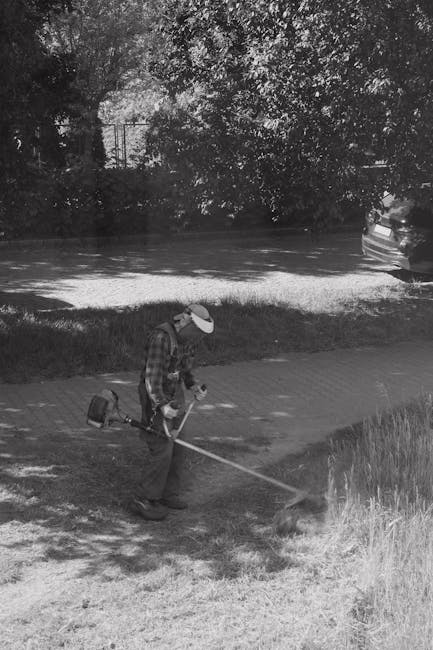
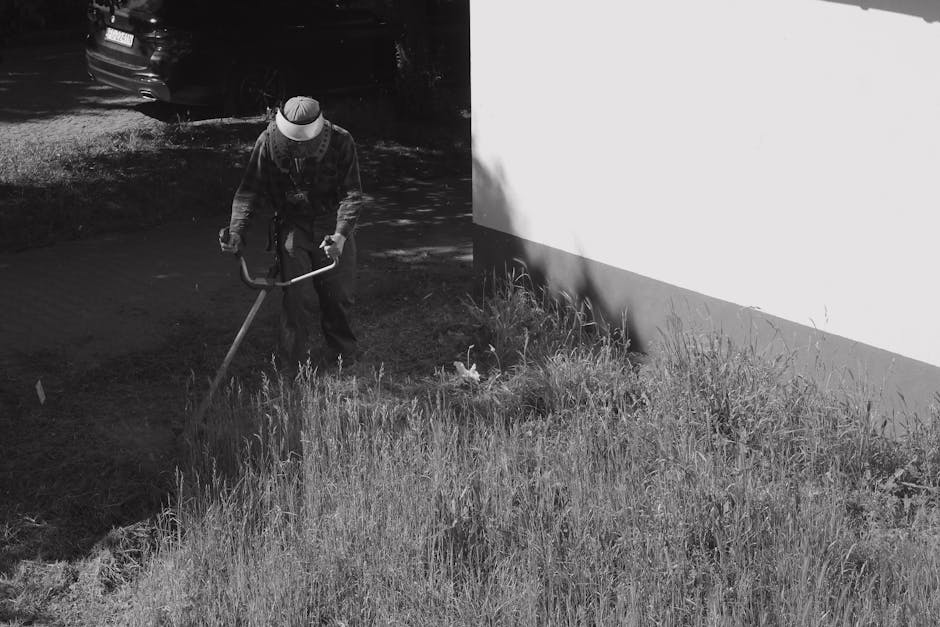
Typical quick tidy and lawn care work may include grass cutting, strimming awkward edges, edging paths and borders, removing weeds, clearing fallen leaves, tidying cuttings, and giving the lawn a more even finish. If the garden needs it, light hedge trimming or a basic sweep of hard surfaces may be included too. For bigger or more layered jobs, it may make sense to combine this with broader garden maintenance support so the whole plot gets a coordinated refresh.
The lawn part is especially important. A lawn that is cut at the right height, with clippings managed properly, tends to look sharper and recover better. If the turf is patchy or dry, a gentler approach is better than trying to force perfection in one go. That is where experienced judgement matters. You do not want to scalp the grass and then wonder why it looks tired the next week.
In practice, many tidy-up visits start with the most obvious visual wins. A path cleared of moss and debris. Borders straightened. Grass cut back to an even level. A few weeds dealt with before they spread. These smaller actions add up fast. Honestly, they usually transform the mood of a garden in under an hour or two when done well.
If the lawn itself needs focused attention, a dedicated lawn care service can help with longer-term improvement rather than just a one-off cut. That matters if your grass has become thin, patchy, or flat after months of weather, foot traffic, or neglect.
Key Benefits and Practical Advantages
Quick tidy work is popular for good reason. It is efficient, affordable compared with larger landscape projects, and immediately visible. You do not need to wait six months to see whether it worked. You can stand back right away and think, yes, that is better.
- Fast visual improvement: A cut lawn, defined edges, and cleared debris change the whole garden's appearance quickly.
- Healthier grass: Regular mowing and sensible lawn care help prevent the lawn from becoming weak, matted, or uneven.
- Safer outdoor space: Clearing trip hazards, slippery clippings, and hidden waste makes the garden easier to use.
- Less overwhelm: Small, regular tidy-ups are easier to manage than one huge seasonal rescue mission.
- Better long-term maintenance: Tidying now makes future mowing, pruning, and border care easier and cleaner.
There is another benefit people often miss: a garden that is kept tidy is easier to enjoy socially. A neighbour might not say it, but they notice. Guests notice too. And if you are trying to make the most of limited outdoor space, especially in a compact urban or suburban setting, that instant lift matters a lot.
For some gardens, the quick tidy is also the first step towards something bigger. Once the lawn is under control, it becomes easier to spot whether the space needs hedge trimming, a smarter layout, or more substantial landscaping later on. You can then build from a cleaner baseline, which is always the better way round.
Who This Is For and When It Makes Sense
This kind of service is not just for people with overgrown gardens. It suits anyone who wants a neat, manageable outdoor space without a long wait or a large project. If you are short on time, recovering after a busy season, preparing to rent out a property, or getting ready for visitors, it makes immediate sense.
It is especially useful if:
- your lawn has grown too long for a clean, even cut with domestic equipment
- you need the garden presentable before a gathering or property viewing
- weeds and grass edges are starting to make the space look neglected
- you want regular help rather than a one-off rescue
- you have a back garden, front garden, or both that need practical upkeep
Some people only need help after the winter months. Others need support every few weeks through spring and summer. Truth be told, the right timing depends on the garden itself, not just the calendar. A shaded lawn with heavy moss needs a different rhythm from a sunny patch that grows like mad after rain.
If your garden includes features such as a deck, fencing, patios, or awkward boundaries, it often helps to look at the space as a whole. The neatest lawns can still feel unfinished if the surrounding surfaces are dirty or the edges are frayed. That is where add-on services like patio cleaning, decking services, and fencing may become relevant, depending on the condition of the garden.
Step-by-Step Guidance
If you want to understand what a quick tidy and lawn care visit should achieve, it helps to break the job into clear stages. This is the sort of process that keeps things efficient and stops small jobs from becoming chaotic ones.
- Assess the space. Walk the garden and identify the main issues: long grass, weeds, messy borders, fallen branches, leaf build-up, or damaged patches.
- Clear access. Move lightweight items, toys, pots, or furniture that may block mowing or strimming. That saves time and reduces accidental damage.
- Cut the lawn at a sensible height. The aim is a neat finish, not a harsh scalp. If the grass is very long, a gradual approach is usually better.
- Edge and trim. Sharpen the border lines along paving, beds, and fence lines for an immediate visual lift.
- Deal with weeds and clumps. Remove obvious weed growth and tidy any grass clumps or matted areas left after cutting.
- Clear waste. Collect cuttings, branches, and loose debris so the garden feels clean, not just shorter.
- Review the result. Check the lawn for uneven patches and make small final corrections.
If the garden is a little more unruly, a quick tidy may be paired with stronger intervention. For instance, heavy overgrowth near the back fence might need hedge trimming, while a stubborn invasive patch could require attention to ivy or other spreaders. There is a useful piece on that topic in transforming a garden by banishing ivy, which is worth a look if one plant keeps coming back like an unwanted guest.
The same goes for mature trees or overhanging limbs. If branches are blocking light, dropping debris, or affecting lawn growth, then a separate tree-focused job may be appropriate. In that case, tree surgery support can be part of the bigger picture.
Expert Tips for Better Results
A tidy lawn is not just about how often it gets cut. The quality of the cut, the timing, and the aftercare make a real difference. Here are the habits that usually separate a decent finish from a genuinely good one.
- Do not cut too much at once. If grass has shot up, taking it down in stages is usually kinder to the lawn.
- Keep blades sharp. Blunt mower blades tear grass rather than cutting it cleanly. That can leave a pale, ragged look.
- Tackle dry edges after mowing. Strim and edge once the lawn is cut so the lines stay crisp.
- Watch for wet conditions. Wet turf is easier to damage and clumps more. Sometimes the best decision is to wait a bit.
- Clear clippings from paths and borders. They look messy and can become slippery.
Another useful habit is to think in layers. Start with the obvious visual clutter, then move to the grass, then the border detail. If you try to polish every tiny corner first, the whole job takes longer than it should. A slightly messy transition is okay at first. The big wins come first.
One more thing: if you want your garden to stay easier to manage, keep an eye on planting choices. Low-maintenance borders, sensible ground cover, and tidy, well-placed shrubs can reduce ongoing work. There are some helpful ideas in budget-conscious easy-upkeep garden ideas and ground cover plant suggestions for UK gardens. Small choices there can save a lot of time later.
Common Mistakes to Avoid
Most garden tidy-ups go wrong in familiar ways. Nothing dramatic. Just the sort of mistakes that make the job harder than it needed to be.
- Leaving the lawn too long before mowing. A huge cut in one go can stress the grass and leave ugly patches.
- Ignoring the edges. A lawn can be cut neatly and still look untidy if the borders are fuzzy.
- Forgetting debris clearance. Grass clippings, twigs, and leaves left behind reduce the sense of finished work.
- Cutting when the ground is too wet. This can compact the soil and mark the turf.
- Trying to do everything at once. If the garden is heavily overgrown, a staged approach is safer and neater.
There is also the all-too-common issue of underestimating how much time a small garden can take once you start. You may think, I will just mow the lawn, and then suddenly the hedge needs attention, the patio needs sweeping, and there is a patch of ivy plotting its return. It happens.
If weeds are a recurring problem, it is worth dealing with their causes, not just the visible tops. A useful read on that is weed control tips for making the garden easier to manage. The point is not to chase perfection. It is to stop the same mess from coming back every fortnight.
Tools, Resources and Recommendations
You do not need a shed full of kit to keep a garden tidy, but the right tools make the job easier and faster. For a quick tidy and lawn care routine, these are the practical basics:
- a mower that suits the size and condition of the lawn
- a strimmer or trimmer for awkward edges
- a rake or lawn broom for collecting debris
- hedge shears or cutters for light shaping
- gloves, sturdy shoes, and eye protection where needed
- garden waste bags or a wheelbarrow for clear-up work
For people who like to handle smaller jobs themselves before calling in help, there is a useful guide to crucial gardening tools. And if your garden is more functional than ornamental, you may also benefit from practical ideas on revamping a forgotten backyard without overcomplicating the design.
Good resources are not only about tools. They are also about knowing what your garden actually needs. A north-facing lawn with shade issues may benefit from different care than a sunny lawn that dries out quickly. Likewise, a family garden with pets or children needs a finish that is neat, durable, and safe underfoot. If that sounds like your situation, the article on making a garden work for pets is a sensible companion read.
Law, Compliance, Standards, or Best Practice
For everyday garden tidy work, there is usually no complicated compliance burden. Still, it is wise to follow common UK best practice around safe working, considerate noise, and proper waste handling. That means using equipment responsibly, avoiding unnecessary disturbance to neighbours, and dealing with green waste in an organised way.
If a job involves working near trees, larger branches, or unstable growth, caution matters. Some work is straightforward maintenance; some is better left to trained professionals with the right approach and equipment. The same goes for slippery patios, raised decks, or boundary work near fencing. You want a neat result, yes, but not one achieved through risk-taking. That is just common sense.
It is also sensible to think about seasonal timing. During wetter periods, lawns and soil are easier to mark. During dry periods, cutting height and frequency may need adjusting. Best practice is to work with the garden's condition rather than forcing a rigid schedule. A bit of judgment goes a long way here.
Where garden waste is concerned, keep it tidy, separate it from general rubbish, and dispose of it according to normal local expectations. Nothing fancy. Just good housekeeping.
Options, Methods, or Comparison Table
Not every garden needs the same level of attention. Some people want a one-off rescue. Others want regular maintenance. A few need a wider refresh that goes beyond the lawn. Here is a simple comparison to help you decide what fits best.
| Approach | Best for | Main strengths | Possible limitation |
|---|---|---|---|
| One-off quick tidy | Gardens that need an immediate clean-up | Fast, visible improvement | Needs follow-up to stay neat |
| Regular lawn care | Lawns that grow quickly or look tired | Healthier grass and better consistency | Less dramatic than a full tidy if the whole garden is messy |
| Full garden maintenance | Spaces with multiple ongoing issues | More complete, longer-lasting results | Usually needs more time and planning |
| Broader exterior refresh | Gardens with patios, decking, hedges, or boundaries needing attention | Better overall finish across the space | Can be more involved than a simple tidy |
If you are unsure which route to take, start with the smallest realistic step. A lot of people are surprised by how much better a garden feels after one clean session. From there, it becomes much easier to decide whether the next move is mowing, hedge shaping, or a more ambitious plan with landscaping support.
Case Study or Real-World Example
Picture a small family garden after a damp spell in spring. The grass has grown unevenly, the edges have softened into the borders, and the patio has collected a scatter of leaves and muddy footprints. Nothing outrageous. Just enough to make the whole space feel slightly forgotten.
A sensible quick tidy starts with the lawn. The mower takes the grass down to a clean, even level. The strimmer sharpens the edges around the fence and path. A few weeds are removed from the borders. The patio is swept clear. Cuttings are collected instead of being left in a heap. In an hour or two, the garden looks more open, brighter, and much easier to use.
Then there is the lawn itself. Once the grass is even, the garden suddenly appears larger. The children's play area looks safer. The seating space feels more deliberate. And the owners, who had been avoiding the garden for a week or two, start using it again. Not because it became a magazine garden. Just because it feels cared for.
That is the real value of quick tidy work. It gets the space back into daily life. Quietly. Without drama.
Practical Checklist
Use this checklist before or during a quick garden tidy. It keeps things moving and helps you avoid the usual missed bits.
- Check the lawn height and decide whether a full cut or lighter trim is needed
- Remove toys, furniture, pots, and loose items from mowing areas
- Clear obvious debris such as branches, leaves, and litter
- Edge paths, beds, and borders for a cleaner finish
- Inspect for weeds in lawns, borders, and paving joints
- Trim any grass or growth blocking access along fences or sheds
- Sweep or blow hard surfaces after cutting
- Bag or gather clippings if they are left in visible piles
- Look for patchy areas that may need follow-up lawn care
- Decide whether the garden needs extras such as hedge trimming or patio cleaning
One practical note: if the garden has become neglected for a while, do not expect a perfect result in one pass. A tidy first visit sets the foundation. The second visit often does the finishing work. That is normal, and honestly, it is often the better way to do it.
For gardens that need a little more than grass care, a fuller gardening service can help bring the whole space back into balance without making it feel overdone.
Conclusion
Upton CH49 gardeners for quick tidy and lawn care are a smart choice when you need the garden to look better, function better, and feel easier to manage without delay. The best results usually come from simple, consistent work: cut the grass properly, define the edges, clear the mess, and keep an eye on the details that make the space feel finished.
Whether you are preparing for guests, dealing with seasonal growth, or just tired of seeing the same untidy patch every time you look outside, a quick tidy can make a bigger difference than you might expect. Not a miracle. Just good, practical garden work done well.
If you want to turn a messy outdoor space into something calmer and more usable, the next step is straightforward.
Get a free quote today and see how much you can save.
Frequently Asked Questions
What do Upton CH49 gardeners for quick tidy and lawn care usually include?
They usually cover grass cutting, edging, strimming, weed removal, debris clearance, and a general tidy of visible problem areas. Some visits may also include light hedge trimming or basic surface sweeping if needed.
Is a quick tidy the same as full garden maintenance?
Not quite. A quick tidy focuses on immediate visual improvement and basic lawn care. Full garden maintenance is broader and tends to include more ongoing work, more detail, and more consistent upkeep.
How often should a lawn be cut in the growing season?
It depends on weather, grass type, shade, and use. In a busy growing period, lawns may need regular attention. The key is not to let the grass get too long between cuts, because that makes the next mow harder on the lawn.
Can an overgrown lawn be rescued in one visit?
Sometimes it can look much better in one visit, but if it is very long or patchy, a staged approach is often safer. Cutting too much in one go can stress the grass and leave a rough finish.
What should I do before the gardeners arrive?
Move small items such as toys, garden chairs, pots, and loose ornaments away from mowing areas. If there is any fragile decor or hidden clutter, clearing that first helps the work go faster and safer.
Is it worth booking help if the garden only needs a light tidy?
Yes, if you want the space to look neat without spending your own time on it. A light tidy can make a surprisingly big difference, especially before visitors, property photos, or a busy weekend.
Will lawn care help patchy grass look better?
It can, but patchy grass may also need longer-term care. Mowing, feeding, improving soil conditions, and adjusting watering habits may all play a part depending on what is causing the patchiness.
Can quick tidy work include patio or decking areas?
It can, especially if those areas are affecting the overall look of the garden. Depending on the condition, patio cleaning or decking services may be the better fit for a more complete finish.
What is the biggest mistake people make with lawn care?
One of the biggest mistakes is cutting too much grass at once. Another common issue is ignoring the edges, which makes the lawn look unfinished even after mowing.
Do I need hedge trimming as part of a garden tidy?
Not always, but it can help if hedges are spilling into paths, shading the lawn too heavily, or making the space feel cramped. A neat hedge line often makes the whole garden look sharper.
How do I keep a tidy garden from slipping back into chaos?
Little and often is the secret. A short mow, a quick edge, and a bit of debris removal every so often will keep the garden manageable far better than waiting until everything is overgrown. That approach is easier on both you and the lawn.
When should I ask for more than a quick tidy?
If the garden has thick overgrowth, structural issues, damaged trees, or a layout that no longer works, it may be time to go beyond a basic tidy. In those cases, a broader service can give you a more lasting result.