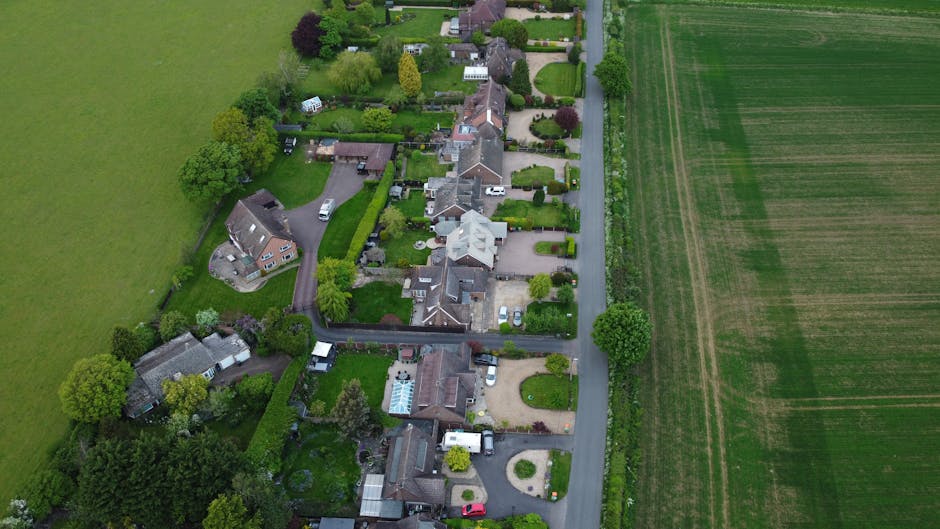
Trusted gardeners for Upton Village Green and estates
If you live near Upton Village Green or manage one of the local estates, you already know the difference a well-kept garden makes. It is not just about tidy borders and a cropped lawn. It is about how a place feels when you walk up to it on a damp Tuesday morning, or when neighbours pause to chat by the front gate. That is where Trusted gardeners for Upton Village Green and estates come in: steady, practical help that keeps outdoor spaces looking cared for without turning every season into a scramble.
In this guide, we will look at what trusted local gardening support actually involves, how the service works in real life, and what to expect when you want dependable upkeep for communal grounds, private gardens, and shared estate spaces. You will also find useful comparisons, a checklist, and a few no-nonsense tips for choosing the right help. Let's face it, a garden can look lovely in spring and become a bit unruly by the end of summer if nobody is steering it.
Table of Contents
- Why Trusted gardeners for Upton Village Green and estates Matters
- How Trusted gardeners for Upton Village Green and estates Works
- Key Benefits and Practical Advantages
- Who This Is For and When It Makes Sense
- Step-by-Step Guidance
- Expert Tips for Better Results
- Common Mistakes to Avoid
- Tools, Resources and Recommendations
- Law, Compliance, Standards, or Best Practice
- Options, Methods, or Comparison Table
- Case Study or Real-World Example
- Practical Checklist
- Conclusion
- Frequently Asked Questions
Why Trusted gardeners for Upton Village Green and estates Matters
Shared and semi-shared outdoor spaces carry more weight than a single private garden. They are seen by residents, visitors, tradespeople, and sometimes the wider neighbourhood every day. A patchy lawn, overgrown hedge, or neglected hard surface can quickly make an otherwise attractive estate feel tired. On the other hand, consistent garden care can make the whole place feel calmer, safer, and frankly more looked after.
For a space like Upton Village Green, the standard is often higher than a typical back garden. People expect the green areas to be neat, usable, and pleasant across the seasons. That usually means regular mowing, hedge management, weed control, pruning, and occasional repairs to borders, fencing, or paving edges. It also means having gardeners who understand the rhythm of communal spaces, where one missed visit can show up fast.
There is another reason trust matters. In estates, the work often needs to be done with minimal disruption. Residents need access. Children may be around. Pets too. So the team has to be tidy, careful, and able to work around daily life, not against it. Good gardening is never only about plants. It is about judgement.
Expert summary: For communal greens and estates, the best gardening support is not the flashiest. It is the team that turns up, notices small issues early, and keeps the whole place consistently under control.
For readers who want the broader picture, a reliable gardening services provider can often cover both routine upkeep and more specialised work without forcing you to juggle multiple contractors.
How Trusted gardeners for Upton Village Green and estates Works
In practical terms, the work usually starts with a site visit or a walk-around. That is where the gardener assesses grass condition, hedge growth, weeds, soil health, access points, and any safety issues such as uneven paving or low branches. If the estate has several zones, each one may need a different schedule. A front lawn and a shaded side border do not behave the same way. Not even close.
From there, a maintenance plan is built around frequency and priorities. Some sites need weekly grass cutting in growing season. Others need fortnightly visits with seasonal deep work. Communal gardens may need a more formal checklist: grass mowing, edging, litter pick-up around planting beds, deadheading, shrub shaping, and checking that paths remain clear.
On a typical visit, the work may include:
- mowing and strimming grassed areas
- hedge trimming and light shaping
- weed removal from borders and paved areas
- pruning shrubs and removing dead growth
- lawn care such as feeding, aeration, or scarifying when needed
- patio, decking, or path cleaning where surfaces have become slippery or stained
- minor landscaping fixes, border refreshes, or planting improvements
That last point matters. A trusted gardener does not just "do the job"; they notice where the job is going wrong. A lawn with recurring bare patches may need better drainage, not just another cut. A hedge that keeps flopping into a footpath may need proper reshaping, not a quick trim. Small distinctions, big difference.
If the garden includes hard landscaping or mixed surfaces, it can be useful to combine outdoor maintenance with a focused patio cleaning service or even decking services when the space needs more than horticulture alone.
Key Benefits and Practical Advantages
The obvious benefit is appearance, but there is more going on underneath that. Reliable garden maintenance protects the long-term condition of the space. Grass that is cut properly and fed at the right time tends to cope better with wear. Hedges that are trimmed on schedule are easier to shape. Borders that are kept weed-free need less rescue work later. Little by little, you save the garden from itself.
Here are the main advantages local residents and estate managers usually notice first:
- Consistency: The space stays in good condition through the year, not just after a big tidy-up.
- Safety: Clear paths, controlled growth, and reduced trip hazards help everyone move around more easily.
- Better first impressions: A tidy exterior makes the whole property feel more valued.
- Healthier planting: Regular care prevents plants from being smothered, stressed, or left to compete with weeds.
- Lower long-term cost pressure: Preventative work is usually cheaper and less disruptive than major catch-up jobs.
- Resident satisfaction: People notice when shared spaces are looked after properly. They really do.
There is also a quieter advantage: peace of mind. If you are responsible for an estate or a shared green, you do not want to wonder whether the hedge will be trimmed before a visitor event, or whether a fallen branch will be dealt with before it becomes a problem. Trusted help removes that background worry.
Who This Is For and When It Makes Sense
This kind of service is a strong fit for more than one type of customer. It may be the right choice if you are:
- a resident on an estate who wants better-looking shared grounds
- a landlord or property manager handling multiple outdoor areas
- a freeholder, managing agent, or residents' group responsible for communal landscaping
- someone with a private garden near Upton Village Green who wants reliable upkeep without the weekend workload
- a homeowner who needs occasional help with seasonal or larger tasks
It also makes sense when gardens stop being simple. Maybe the lawn is more shaded than you realised. Maybe the hedges are getting dense. Maybe the rear garden has become a mix of weeds, old shrubs, and a patio you barely use. In those situations, a trusted gardener is not a luxury. It is the difference between slow decline and steady recovery.
A good rule of thumb? If you find yourself thinking, "I'll sort it next month," and next month keeps turning into next season, it is probably time to bring in help.
Step-by-Step Guidance
If you are considering ongoing garden support for Upton Village Green or an estate, it helps to approach it methodically. Here is a straightforward process that works well in practice.
- Walk the site properly. Look at the whole space in daylight, not just the bits near the entrance. Notice where weeds, shade, drainage issues, or access problems are building up.
- List the priorities. Separate urgent issues from routine ones. For example, overgrown grass is urgent; replanting a border may be seasonal.
- Decide the service mix. You may need lawn care, hedge trimming, shrub pruning, clearance work, or occasional landscaping rather than one single task.
- Set a realistic schedule. Weekly, fortnightly, monthly, or seasonal visits should match the garden's actual growth rate and use.
- Agree on communication. Make sure there is a simple way to flag issues, request extra work, and confirm what was completed.
- Review after the first few visits. Check whether the schedule is working. A garden often tells you where the plan is too light or too heavy.
If you are dealing with a lawn in particular, it is worth reading about lawn care and the approach behind lawn mowing in Upton DA6, because mowing height, timing, and follow-up treatment all affect the end result.
For larger or more tired spaces, a full garden maintenance plan is often easier than trying to book separate one-off fixes every time something slips.
Expert Tips for Better Results
Over the years, one pattern shows up again and again: the best-looking communal gardens are not the ones with the most dramatic makeover. They are the ones with good habits. Simple. Repeated. Boring, even. But effective.
1. Stay ahead of growth, not behind it
Grass, hedges, and borders all become harder to manage once they are left too long. Regular cutting and shaping is cheaper and neater than waiting for a rescue visit. For hedges, that is especially true; if you want controlled lines rather than a slightly wild "characterful" look, scheduling matters. A lot.
2. Treat soil as the foundation
Healthy planting starts with healthy soil. If beds are tired, compacted, or full of old debris, top dressing and composting can improve the whole area. For readers interested in the basics of soil improvement, this guide on creating nutrient-rich soil from waste is a useful starting point.
3. Use planting to solve problems
Need more privacy near a busy pathway? Evergreen hedging can help. Want a dull wall to feel softer? Climbers or vertical planting can add interest without taking up much space. There is a nice article on fast-growing privacy hedges and another on vertical gardening ideas for empty walls that can spark sensible ideas.
4. Keep access in mind
This one gets overlooked. If workers cannot move a mower, wheelbarrow, or cuttings cart safely through the site, jobs take longer and cost more in effort. Make sure gates, side passages, and storage points are practical.
5. Choose improvements that suit the estate, not just trends
A zen-style corner can be lovely, but only if the rest of the site is stable and easy to maintain. A practical garden is a beautiful thing. Truth be told, a pretty garden that is impossible to look after is just a future headache.
If you are also thinking about planting structure, the articles on ground cover plants and budget-conscious easy-upkeep ideas are worth a look.
Common Mistakes to Avoid
Some garden problems are completely avoidable, but only if someone spots them early. Here are the big ones that tend to trip people up.
- Only booking reactive work: Waiting until the space looks bad almost always creates a bigger job.
- Ignoring seasonal timing: Pruning, mowing, feeding, and planting all have better windows. Miss them and the garden can struggle.
- Mixing lawn jobs with heavy renovation by accident: A lawn needs different care if it is simply shaggy versus if it is thin, waterlogged, or compacted.
- Letting weeds mature: Once weeds seed, you are dealing with next month's problem too.
- Assuming one service fits all: Estates often need a blend of mowing, hedge work, fencing repair, and hard-surface cleaning.
- Forgetting the people using the space: Children, pets, and older residents all change how the garden should be maintained.
There is also a subtle mistake that happens a lot: over-trimming. People think a hard cut will make things neater, but in some cases it stresses the plant or leaves a hedge bare. If you want shaped hedging rather than a blunt haircut, the guide on artistic hedge trimming gives a good sense of the skill involved.
Tools, Resources and Recommendations
Good gardeners rely on practical tools, but the real resource is a system that keeps everything on track. For local upkeep, that usually means a combination of the following:
- sharp mowers and strimmers for regular lawn work
- clean hedge trimmers and pruning tools for shaping and clearance
- rakes, wheelbarrows, and refuse bags for cuttings and debris
- weed removal tools and mulches for border management
- pressure washing or specialist cleaning equipment for hard surfaces where appropriate
- seasonal planting stock, compost, and soil improvers
If you are building your own knowledge alongside professional support, the following pages can be useful: crucial gardening tools, weed control tips, and revamping a forgotten backyard.
For properties where the outside areas include timber features, it may also be sensible to coordinate maintenance with decking services in Upton DA6 or fencing support if boundaries and access points are starting to show wear.
Law, Compliance, Standards, or Best Practice
Garden maintenance in communal or estate settings is not usually heavy on legal complexity, but there are still sensible standards to follow. The main aim is straightforward: keep the site safe, considerate, and well managed.
In practical UK terms, that means being alert to issues such as trip hazards, overhanging growth, blocked access routes, and safe handling of tools and green waste. If work is taking place where residents are moving through, the team should plan to avoid unnecessary obstruction. For larger trees or anything structurally questionable, specialist assessment is the sensible route rather than guessing. That is where tree surgery in Upton DA6 becomes relevant.
Best practice also includes clear scheduling, tidy working methods, and responsible disposal of green waste. In plain English: leave the site better than you found it, and do not make residents step over piles of cuttings or stray branches. It sounds obvious. It is not always done.
Where children, pets, or public access are involved, good site management matters even more. For ideas on making shared gardens welcoming and sensible to use, the articles on safe gardens for children and pet-friendly garden planning are both helpful.
Options, Methods, or Comparison Table
Different properties need different levels of support. Sometimes the question is not "Do we need gardeners?" but "What sort of gardening support fits this space best?"
| Approach | Best for | Strengths | Limitations |
|---|---|---|---|
| One-off tidy-up | Overgrown or neglected gardens | Fast reset, useful before an inspection or event | Problems can return quickly without follow-up |
| Regular maintenance visits | Estates, village greens, and active shared spaces | Keeps growth under control, easier to budget | Needs scheduling discipline and ongoing oversight |
| Seasonal garden care | Private gardens with lighter use | Good for spring and autumn tasks, pruning, planting | Less effective for fast-growing areas in peak season |
| Full garden and landscape management | Larger estates or mixed-use grounds | Most complete, can cover lawns, planting, hard surfaces, and repairs | Usually the most involved option to organise |
For many Upton properties, a mixed approach is best. A monthly structural visit plus more frequent lawn work can be far more effective than trying to squeeze everything into one big session. If the garden also includes seating spaces, you may want to think about inviting seating arrangements so the area is genuinely usable, not just tidy.
Case Study or Real-World Example
Imagine a small estate near Upton Village Green with a front communal lawn, two hedge lines, and a rear path that collects weeds after wet weather. At first glance, it might seem like a simple mowing job. But after the first inspection, a good gardener would probably spot three separate issues: the lawn is being cut too short in dry spells, the hedge is catching foot traffic near a corner, and the path edge needs regular clearing because it traps soil and moss.
Instead of treating those as random annoyances, the gardener builds a routine. The lawn gets a healthier cut schedule. The hedge is reshaped to keep the route open. The path is cleaned and edged before it becomes slippery. A few border plants are added to reduce bare soil. Over time, the space stops looking "fixed" and starts looking managed. That is the goal.
And yes, you might not notice the best work immediately. That is sort of the point. Good maintenance blends in. The place simply feels easier to live with.
Practical Checklist
Use this checklist if you are planning garden support for Upton Village Green or an estate.
- Have you walked the whole site in daylight?
- Do you know which areas need weekly, monthly, or seasonal attention?
- Are lawn, hedge, border, and hard-surface tasks clearly separated?
- Have you identified any safety issues such as broken paving, loose fencing, or low branches?
- Is there a realistic plan for green waste removal?
- Do residents or users need notice before work begins?
- Are pets, children, and access routes being considered?
- Is the maintenance plan flexible enough for heavy growth in spring and summer?
- Do you have a contact point for urgent issues?
- Will the gardener review the work and adjust the schedule if needed?
If you can tick most of those boxes, you are already ahead of the game.
Conclusion
Trusted gardeners for Upton Village Green and estates do more than keep things neat. They help a place feel settled, cared for, and usable all year round. They notice what needs attention before it becomes a problem, and they bring consistency to spaces that many people rely on every day. That kind of steady work is easy to overlook until it is missing, and then everyone notices.
Whether you need regular lawn care, seasonal hedge trimming, tidy borders, or a more complete maintenance plan, the smartest move is usually to start with the real condition of the site and build from there. Small, regular improvements tend to beat big emergency fixes. Every time.
Get a free quote today and see how much you can save.
For more detailed support and a straightforward next step, you can also explore the full range of local gardening services in Upton DA6 and choose the level of help that suits your space best. A well-kept garden has a quiet kind of confidence about it, and that never really goes out of style.
Frequently Asked Questions
What do trusted gardeners for Upton Village Green and estates usually do?
They typically handle routine maintenance such as lawn mowing, hedge trimming, weeding, pruning, planting support, and occasional hard-surface cleaning or light landscaping. For larger sites, the work may also include regular inspections and seasonal tidy-ups.
How often should communal gardens be maintained?
It depends on growth rate, usage, and the time of year. In peak growing season, weekly or fortnightly visits are common for shared spaces. Quieter areas may only need monthly or seasonal support.
Is regular garden maintenance better than one-off tidy-ups?
For estates and village greens, yes, usually. Regular maintenance keeps growth under control and helps avoid bigger, more expensive catch-up jobs later. One-off work can help, but it is rarely enough on its own.
Can gardeners help with lawns that are patchy or tired?
Yes. A good gardener will look beyond mowing and consider mowing height, feeding, aeration, drainage, and soil condition. A tired lawn often needs a broader lawn care plan rather than just a cut.
Do I need landscaping as well as gardening?
Sometimes. If the issue is structural, such as poor layout, broken borders, awkward access, or areas that no longer work well, landscaping may be the better route. If the space mostly needs upkeep, gardening is usually enough.
What should I ask before hiring a gardener for an estate?
Ask what is included, how often visits will happen, how waste is handled, whether they can manage both soft and hard landscaping tasks, and how they communicate issues. Simple questions. Very useful ones.
Can gardeners help make a shared green safer?
Yes, to a point. They can help keep paths clear, control overgrowth, manage low branches, and spot hazards early. For tree-related risks, specialist tree surgery may be needed.
What happens if hedges or shrubs are left too long?
They can become harder to shape, block paths, reduce light, and make the site feel overgrown. In some cases, the plant can also become stressed if it is cut back too harshly after being neglected.
Are there good options for low-maintenance planting?
Yes. Ground cover plants, well-chosen shrubs, and carefully planned borders can reduce weeding and make maintenance easier. It is worth choosing plants that suit shade, wind, and soil conditions rather than just what looks nice in the tray.
How do I know if my garden needs a full reset?
If the space has recurring weeds, poor lawn condition, broken structure, or planting that no longer makes sense, a bigger rethink may be needed. The guide on revamping a forgotten backyard is a useful benchmark for spotting when a reset is smarter than repeated patching.
Can gardening support be arranged around residents or visitors?
Yes. A good team should be able to work around access needs, resident routines, and quiet times. For shared spaces, timing and communication matter almost as much as the gardening itself.
How do seasonal changes affect estate gardens in the UK?
Quite a lot. Spring brings growth, summer brings watering and mowing pressure, autumn means leaf clearance and tidying, and winter often calls for protection and pruning decisions. If you want a garden that stays calm through the cold months, the advice on keeping a winter garden thriving is worth reading.