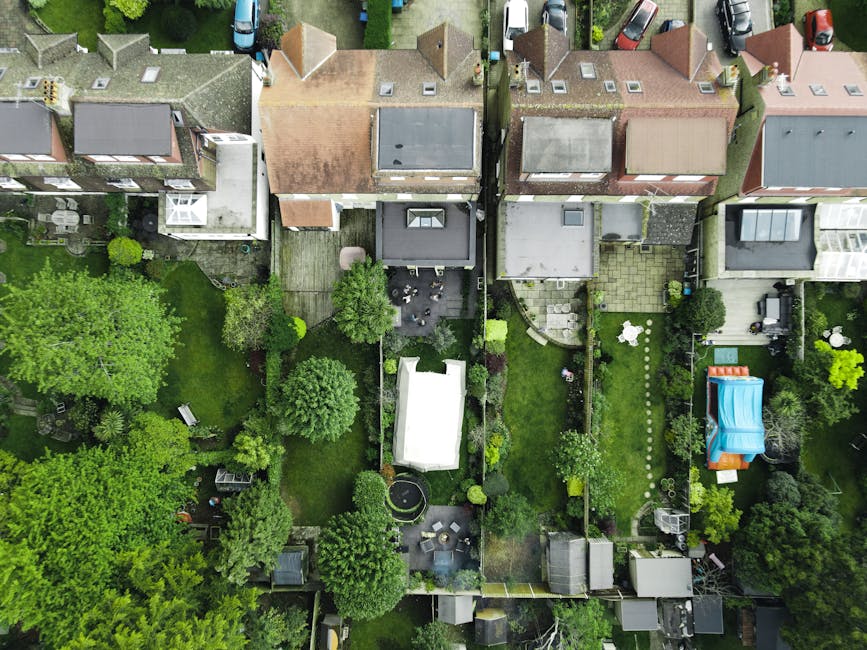
Top gardeners near Upton Station for small city gardens
Small city gardens can be lovely, but they can also be awkward. One corner gets too much shade, the paving feels cramped, the fence needs attention, and somehow the whole space ends up looking busier than it should. If you are looking for top gardeners near Upton Station for small city gardens, the real goal is not just "someone who cuts grass." It is finding a local team that understands compact spaces, light levels, awkward access, and the kind of maintenance rhythm that keeps a tiny garden feeling calm rather than cluttered.
That is what this guide is for. We will walk through how to choose the right gardener, what services matter most in a small urban plot, what good work should look like, and where homeowners often go wrong. You will also find practical ideas for making a modest garden feel bigger, greener, and easier to live with, without turning it into a second job.
Table of Contents
- Why Top gardeners near Upton Station for small city gardens Matters
- How Top gardeners near Upton Station for small city gardens Works
- Key Benefits and Practical Advantages
- Who This Is For and When It Makes Sense
- Step-by-Step Guidance
- Expert Tips for Better Results
- Common Mistakes to Avoid
- Tools, Resources and Recommendations
- Law, Compliance, Standards, or Best Practice
- Options, Methods, or Comparison Table
- Case Study or Real-World Example
- Practical Checklist
- Conclusion
- Frequently Asked Questions
Why Top gardeners near Upton Station for small city gardens Matters
Small gardens near stations and busy streets have their own rhythm. They are often overlooked because they seem too minor to bother with, yet they are the spaces you see every day from the kitchen window, the back door, or a narrow patio table. That makes quality maintenance matter more, not less. A compact garden has less room to hide poor pruning, patchy lawn care, or tired planting. Every detail shows.
In a city setting, good gardening also has a practical side. Plants need to cope with reflected heat, wind tunnels between buildings, shaded boundaries, and limited storage for tools. Add in the usual realities of urban living-bins, bikes, awkward access paths, neighbours close by-and you quickly see why a general "one-size-fits-all" approach falls flat. A gardener who works well in small spaces knows how to keep the layout breathable, the upkeep manageable, and the planting sensible for the site.
There is also a comfort factor. A well-kept garden changes how a home feels. Even a modest courtyard can become somewhere you actually want to sit with a mug of tea on a damp March morning. That might sound simple, but it is the difference between a space you tolerate and one you genuinely enjoy.
Expert summary: For small city gardens, the best gardener is rarely the flashiest one. It is the person who can make limited space feel lighter, easier, and more useful week after week.
How Top gardeners near Upton Station for small city gardens Works
The process is usually more straightforward than people expect. First comes a look at the site: what gets sun, what stays damp, where access is tight, and which parts are causing the most frustration. In a small garden, those first impressions matter hugely. A patch of ivy creeping over the fence, a lawn that struggles in shade, or a patio that never seems clean for long can shape the whole maintenance plan.
From there, the gardener should tailor the work. That might mean regular mowing, targeted edging, hedge trimming, patio cleaning, planting refreshes, or a simple seasonal tidy-up. If the garden needs more than maintenance, services can broaden into landscaping, fencing, decking, or tree surgery. The key is that the work should support the space rather than overwhelm it.
Good small-garden care is often about sequencing. You clear, prune, clean, and reshape in the right order so the space does not look half-finished after the first visit. For example, tackling overgrown shrubs before cleaning hard surfaces usually gives better results, because all the debris has somewhere to go instead of landing on a freshly washed patio. A gardener who thinks that way is worth paying attention to.
If you want a sense of the broader service mix, a general local gardening services page is a useful starting point, while routine upkeep often fits neatly around garden maintenance visits or a scheduled lawn care plan.
Key Benefits and Practical Advantages
The biggest advantage is control. Small city gardens get messy quickly, but they also respond quickly to good attention. A few hours of proper work can change the feel of the whole place. That is rare with larger plots, where results can feel slow. In a compact garden, you often see the difference the same day.
Another benefit is smarter use of space. A skilled gardener can make a narrow garden seem broader, a dark fence line feel softer, and a plain wall become a vertical feature instead of a dead edge. Even modest planting choices can change movement through the space. You start to notice where the eye is pulled, where you can add height without clutter, and where low-maintenance ground cover might do better than a thirsty border.
There is also the maintenance dividend. A well-designed small garden should not need constant rescue. The best local gardeners think about ease of upkeep as part of the design. That may mean choosing restrained planting schemes, avoiding fussy lawn shapes, and using hard landscaping only where it genuinely helps.
- Less visual clutter: tighter pruning, cleaner lines, and better planting balance.
- Better usability: space for seating, movement, pets, or children without feeling crowded.
- Lower ongoing effort: the right plant choices can reduce weekly chores.
- Improved privacy: screens, hedges, and climbers can soften overlooked spaces.
- Stronger kerb appeal: neat front and back gardens make a home look cared for.
For practical inspiration, plenty of smaller-garden solutions are covered in guides such as budget-conscious easy-upkeep ideas and vertical gardening for empty walls. They are especially relevant where square footage is tight.
Who This Is For and When It Makes Sense
This kind of service is ideal for homeowners, landlords, tenants, and anyone with a compact outdoor area who wants it to look good without spending every weekend on upkeep. It is also useful if the garden has become a bit of a problem area. Maybe the hedge is swallowing light. Maybe weeds keep winning. Maybe the patio feels unusable because it is slick or stained. You know the sort of thing.
It makes sense especially if:
- you have a courtyard, narrow rear garden, or tiny front plot;
- your garden has a mix of paving, lawn, and planting that needs regular balancing;
- you need help making a small space child-friendly or pet-friendly;
- you want privacy without making the garden feel boxed in;
- you are preparing a property for rental, sale, or a fresh season of use.
To be fair, a lot of people wait until the garden looks "bad enough" before calling in help. But the better time is earlier, when simple pruning and tidying can stop the place sliding into a bigger job. If you have a compact garden, that is especially true. Small spaces amplify neglect.
Some jobs are obvious candidates for specialists. For instance, if the boundary needs strengthening, fencing services can make a huge difference. If overgrown stems are blocking light, hedge trimming is not just cosmetic, it is spatial management.
Step-by-Step Guidance
If you are trying to find the right gardener and get the best outcome from a small city garden, a simple process helps. No need to overcomplicate it. Here is the practical order I would suggest.
- Assess what the garden actually needs. Is it regular upkeep, a one-off rescue, or a redesign? A tidy courtyard needs a different plan from an overgrown postage-stamp lawn.
- List the pressure points. Look for weeds, bare soil, poor drainage, messy edges, untidy hedges, tired decking, or a patio that needs cleaning.
- Prioritise the biggest visual wins. In small spaces, one clean line or a freshly trimmed hedge can matter more than ten minor fixes.
- Choose services that fit the layout. For example, lawns may need targeted lawn mowing, while hard surfaces often need patio cleaning to lift the whole garden.
- Decide whether the garden needs maintenance or improvement. Maintenance keeps things stable. Improvement changes the structure, access, or planting.
- Agree on a simple timetable. For many small gardens, a little and often approach works better than long gaps between visits.
- Review the result in natural light. Morning or late-afternoon light often shows up what still looks off.
That last step sounds small, but it is useful. A garden can look perfectly fine after a tidy-up and still feel awkward at 7pm when the shadows settle in and the corners start closing in. Check it then. You will notice what still needs a touch.
For people who like working from a practical checklist, a solid starter guide such as fundamental gardening tips for success can help you spot what to ask for before the first visit.
Expert Tips for Better Results
Small city gardens reward restraint. That is the big idea. If everything is trying to be a feature, nothing quite lands. Instead, choose one or two focal points and let the rest support them. A well-shaped hedge, a clean seating corner, or a wall softened with climbers often does more for a small plot than filling every gap with more planting.
Here are a few tips that consistently help:
- Use height carefully. Vertical planting can create atmosphere without eating floor space. A plain wall does not need to stay plain.
- Keep edges crisp. Edges make small gardens feel intentional. Sloppy edges make them feel forgotten, even if the plants themselves are healthy.
- Prefer layered planting over bulky shrubs. A mix of low, medium, and climbing plants tends to feel lighter.
- Think about privacy early. If neighbours overlook the garden, screen the line of sight in a soft, natural way rather than building visual barriers everywhere.
- Use shade properly. Many small urban gardens are more shaded than expected. That is not a problem, just a design brief.
If a shady corner is your main headache, useful ideas can come from evergreen climbers for shade and banishing ivy. Both are surprisingly relevant in tight city plots where one neglected wall can take over the mood of the whole garden.
And a small but honest note: not every plant behaves itself. Some look gorgeous in the catalogue and then decide your garden is their kingdom. It happens. Choosing the right plants for the site saves a lot of swearing later.
Common Mistakes to Avoid
The first mistake is overfilling the space. It is tempting to buy a few extra pots, another decorative item, and perhaps a bigger plant because the corner looks empty. Then suddenly the garden feels cramped. In small spaces, breathing room matters. Leave some visual pauses.
The second mistake is choosing features that are too demanding. A high-maintenance lawn, for example, may not be the best use of a tiny urban plot if shade or foot traffic makes it patchy. In those cases, a gardener might suggest a simpler layout or a different finish altogether.
Other common errors include:
- letting hedges rise too high and steal light;
- ignoring drainage until the paving stays damp for weeks;
- using too many plant varieties, which can make a small garden look busy rather than rich;
- forgetting hard surfaces, so the garden looks tidy only from one angle;
- failing to plan for winter, when structure matters more than flowers.
One of the biggest hidden issues is weed control. Once weeds establish themselves in tight beds and paving joints, they are a nuisance. Not dramatic, just persistent. If you want a sensible approach, these weed control tips are worth following.
Another mistake? Assuming every garden problem needs a dramatic fix. Sometimes it needs five quiet, correct decisions. That's it.
Tools, Resources and Recommendations
A good gardener brings the right tools, but it helps to know what matters. In small urban gardens, precision tools and lightweight equipment often make more difference than heavy-duty kit. Neat pruning shears, quality loppers, a decent mower if there is lawn, stiff brushes for paving, and proper waste removal all help keep the job efficient.
For homeowners who like to understand the work, it is useful to have a basic sense of common garden tasks:
- Lawn care: mowing, edging, feeding, and scarifying where needed.
- Hedge and shrub care: shaping, thinning, and seasonal cutting.
- Hard-surface maintenance: sweeping, washing, moss removal, and stain clearing.
- Planting support: soil improvement, mulching, seasonal refreshes, and container planting.
- Structural work: fencing, decking, and minor landscaping changes.
If you want to keep things simple, a small-garden toolkit can be guided by crucial gardening tools. And if the soil is tired, compacted, or frankly looking fed up with life, nutrient-rich soil ideas can help you rebuild the bed properly rather than just adding more plants on top of a problem.
For smaller properties, soft landscaping often works best when paired with simple hardscape care. A refreshed seating area, for example, can make the whole garden feel usable. It sounds basic, but a clean bench and a clear walkway can change the way people use the space.
Law, Compliance, Standards, or Best Practice
For domestic garden work in the UK, the key point is best practice and common-sense compliance. A reputable gardener should work safely, dispose of waste responsibly, and be careful around protected trees, neighbours' boundaries, and shared access. If tree work is involved, it should be handled cautiously and with proper judgement. You do not need to be a legal expert to ask sensible questions.
Practical best practice includes:
- Safe use of tools: clear working areas, suitable protective equipment, and careful handling near paths, windows, and fences.
- Waste handling: green waste should be removed or disposed of in a tidy, lawful way, not dumped in a corner for "later."
- Boundary awareness: any work near fences, walls, or neighbouring planting should respect property lines.
- Tree and hedge care: larger or riskier work should be assessed properly before cutting begins.
- Site safety: loose slabs, unstable decking, slippery algae, and hidden trip hazards should be noted early.
If a garden has a tree that is leaning, damaged, or interfering with nearby structures, a cautious approach matters more than speed. That is where tree surgery may be the more appropriate route than simple pruning. Similarly, when the garden includes slippery timber or ageing steps, practical repair work may be wiser than a cosmetic tidy-up.
For sensitive spaces with children or pets, the safest assumption is always that tidy is not the same as safe. Check it properly.
Options, Methods, or Comparison Table
Different small gardens need different approaches. The table below gives a simple comparison so you can match the service to the problem, rather than guessing and hoping for the best. That guessing approach, honestly, is where a lot of gardens lose months.
| Option | Best for | Strengths | Watch-outs |
|---|---|---|---|
| Regular garden maintenance | Busy homeowners, tenants, tidy front or back gardens | Keeps everything under control; prevents build-up | May be too general if the space needs redesign |
| Lawn care and mowing | Small lawns that need shape and consistency | Instant visual improvement; good for neatness | Poor shade or drainage can limit results |
| Hedge trimming and pruning | Gardens that have lost light or feel boxed in | Improves structure, privacy, and proportion | Overcutting can leave bare gaps |
| Patio cleaning and hardscape care | Courtyards, seating areas, shared access spaces | Quickly lifts the whole garden visually | Does not solve planting or layout issues on its own |
| Landscaping | Spaces needing a layout reset or new features | Can transform function and flow | Needs clear planning to avoid overcrowding |
For many small city gardens, the best answer is a mixture: maintenance first, then one or two targeted upgrades. If you want privacy, the right combination of planting and trimming can work better than a single large intervention. That is where practical guides like fast-growing privacy hedges can also help you think through options before you commit.
Case Study or Real-World Example
Picture a narrow back garden near the station: a small strip of lawn down the middle, a tired patio at the rear, and a hedge that has been left to do its own thing. The owner wants more space for sitting out, but the garden already feels tight. In that kind of setting, the obvious fix is not to add more features. It is to reduce friction.
A practical approach might look like this:
- trim the hedge to bring in more light;
- clean the patio so it feels like a real seating area again;
- reshape the lawn edges to make the centre line clearer;
- remove crowded or underperforming planting near the path;
- add one climbing plant to soften the wall instead of filling the floor space.
That sort of work does not sound dramatic. But the result can be transformative. The garden feels longer, cleaner, and easier to use. Suddenly the table and chairs do not feel like they are squashed in as an afterthought. You can hear the difference too, oddly enough; a trimmed garden tends to sound calmer, less rustly and overgrown. Maybe that is just me, but it is true.
If the space also needs a wider rethink, ideas from revamping a forgotten backyard and inviting seating arrangements can be useful for shaping the next stage.
Practical Checklist
Use this checklist before booking or briefing a gardener. It keeps the conversation focused and saves time on both sides.
- List the main issues: lawn, hedge, weeds, paving, fencing, or layout.
- Decide whether the job is maintenance, repair, or redesign.
- Measure or roughly estimate the size of the garden.
- Note any access problems, tight side paths, or shared entries.
- Check where the garden gets sun, shade, wind, and waterlogging.
- Think about privacy, pets, children, or seating needs.
- Identify anything risky, such as unstable trees, loose slabs, or damaged decking.
- Ask what waste removal, follow-up visits, or seasonal care are included.
- Review the result after the work, ideally in daylight and later in the evening too.
- Set a simple upkeep rhythm so the garden does not slide backwards.
A small garden is not supposed to be perfect every single day. It is supposed to be manageable, attractive, and usable. That is the sweet spot.
Get a free quote today and see how much you can save.
Conclusion
Finding the top gardeners near Upton Station for small city gardens is really about fit. The right gardener will understand the scale of the space, the pressure points that matter, and the small improvements that make the biggest difference. In a compact urban garden, neat lines, sensible planting, and consistent care usually beat dramatic changes done in a rush.
Whether your garden needs simple maintenance, sharper hedge trimming, a cleaner patio, or a more thoughtful layout, the best results come from careful, site-specific work. Keep things practical. Keep things breathable. And do not let a small space convince you it cannot be beautiful. It can. Sometimes all it needs is the right pair of hands and a little patience.
For a garden you can actually enjoy, not just keep up with, that is a very good place to start.
Frequently Asked Questions
What should I look for in a gardener near Upton Station for a small garden?
Look for someone who understands compact spaces, regular maintenance, pruning, and how to make a small garden feel open rather than crowded. Practical judgement matters more than flashy promises.
Is garden maintenance better than a one-off tidy-up?
It depends on the condition of the space. A one-off tidy-up is useful if the garden has been neglected, but regular maintenance usually works better for keeping small city gardens under control over time.
How often should a small urban garden be maintained?
That depends on the planting, lawn, and hard landscaping, but many small gardens benefit from light, regular visits rather than big gaps between jobs. Little and often usually wins.
Can a gardener help make my small garden look bigger?
Yes. Careful pruning, vertical planting, crisp edges, and reduced clutter can all make a compact garden feel more spacious. Good design choices matter a lot in small spaces.
What if my garden is mostly paved or has only a tiny lawn?
That is still worth professional care. Patio cleaning, lawn care, weed control, and boundary planting can all improve the feel of a paved or mixed-use garden.
Do small gardens need landscaping, or is maintenance enough?
If the layout already works, maintenance may be enough. If access, privacy, drainage, or use of space is poor, some landscaping can make a real difference. Not every garden needs a full redesign, though.
How do I know if hedge trimming is needed?
If hedges are blocking light, spilling into paths, or making the garden feel narrow, trimming is likely overdue. In a small garden, hedge shape has a big impact on light and proportion.
Is patio cleaning worth it in a small city garden?
Very often, yes. A clean patio can make the whole area feel brighter and more usable. In a compact garden, hard surfaces take up a lot of visual space, so the effect is noticeable.
What are the most common mistakes people make with small gardens?
Overplanting, ignoring edges, using the wrong plants for shade, and letting maintenance slide are the big ones. Small spaces need restraint and consistency, not loads of extras.
Can I combine services like mowing, hedge trimming, and fencing work?
Usually, yes. In fact, combining services can be more efficient because the garden is handled as one space rather than a collection of disconnected tasks.
Is tree surgery ever necessary in a small garden?
Sometimes. If a tree is affecting safety, light, or nearby structures, a more specialist approach may be needed. It is not always about cutting more; sometimes it is about cutting properly.
How do I prepare before booking a gardening visit?
Walk around the space, note the problems, decide what you want the garden to feel like, and mention any access issues. A clear brief tends to lead to better results, plain and simple.