Garden maintenance tips for Upton High Street homes
If you live on or near Upton High Street, you already know the garden has to work a little harder than it might in a quieter cul-de-sac. Front gardens face dust, foot traffic, road grime, and plenty of passers-by. Back gardens often become a mix of family space, storage, shade, and, if we're honest, a bit of a catch-all for the things you meant to sort out last weekend. These garden maintenance tips for Upton High Street homes are designed to help you keep everything neat, healthy, and easy to manage without turning gardening into a full-time job.
Whether your outdoor space is a compact townhouse plot, a narrow yard, or a bigger family garden tucked behind the house, the right routine makes a noticeable difference. A little regular care keeps growth in check, protects hard landscaping, and stops small problems from becoming expensive headaches. Let's get into the practical side of it.
Why Garden maintenance tips for Upton High Street homes Matters
A well-kept garden does more than look tidy from the pavement. It protects the parts of your home that people often forget about: fences that take the wind, paving that collects algae, lawns that thin out in shade, and beds that become overcrowded if left alone. On a busy street, this matters even more because your garden is exposed to more wear, more visibility, and more pressure to stay presentable.
There is also the everyday comfort factor. A neat garden makes the whole house feel calmer. You step outside in the morning, and instead of seeing weeds pushing through the edge of the patio or a hedge leaning over the path, you see something that feels looked after. That sounds simple, but it changes how you use the space. People sit out more. Children play more. Even laundry day feels less like a chore, oddly enough.
In Upton High Street homes, maintenance is rarely about one dramatic makeover. It is about rhythm. Small, steady tasks. Trim, sweep, feed, water, inspect, repeat. A bit dull? Sometimes. Effective? Absolutely.
How Garden maintenance tips for Upton High Street homes Works
Good garden maintenance is basically a system. You break the garden into zones, understand what each area needs, and stay ahead of problems. That means the lawn gets a different routine from the hedge, the patio gets different attention from the borders, and trees need seasonal checks rather than weekly fussing.
A practical maintenance plan usually includes five moving parts:
- Routine clearing - remove leaves, litter, twigs, and weeds before they settle in.
- Growth control - mow lawns, trim hedges, and cut back overlong plants before they become messy or unhealthy.
- Soil and feeding care - improve beds, refresh mulch, and keep plants nourished.
- Surface care - clean patios, decking, paths, and steps so they stay safe and usable.
- Safety and structure checks - look at fencing, tree branches, drainage, and anything that could fail in windy weather.
If you want a broader all-in-one approach, a regular garden maintenance service can handle the recurring jobs that tend to slip when life gets busy. That is often useful for people who want the garden looking consistently sharp rather than periodically rescued.
Truth be told, many gardens do not need more plants. They need better rhythm.
Key Benefits and Practical Advantages
Regular maintenance pays off in ways that are both visible and quietly practical. Some are obvious. Others only become clear when you have lived with a neglected garden for a while and realise how much time you spend fighting it.
- Better kerb appeal - important for front gardens, especially on a busy road.
- Healthier plants - because dead growth, congestion, and poor airflow are kept under control.
- Safer surfaces - clean paving, decking, and paths reduce slips and awkward trips.
- Lower long-term costs - a small repair now is usually cheaper than a major replacement later.
- More usable space - you will actually want to sit outside, not just glance at it from the kitchen window.
- Less stress in peak season - spring and summer can get on top of you quickly if you wait too long.
For many households, maintenance also supports privacy. A well-managed boundary hedge or screen planting can make a front or rear garden feel far more sheltered from street activity. If that is part of your goal, it is worth exploring ideas for fast-growing privacy hedges that suit UK conditions and regular trimming.
And yes, a tidy garden can genuinely make the whole home feel more finished. Not glamorous, just true.
Who This Is For and When It Makes Sense
These maintenance tips are for anyone trying to keep a London-area garden under control without letting it eat the whole weekend. But some homes on Upton High Street will benefit more than others.
- Busy families who need a safe, manageable outdoor space.
- Working professionals who want the garden presentable with minimal fuss.
- Landlords and property managers who need outdoor areas to stay respectable between tenancies.
- Older homeowners who prefer light, regular care instead of heavy seasonal clear-outs.
- Anyone with a front garden facing the street where first impressions matter.
It also makes sense when the garden is still "fine" but starting to slip. A few weeds in the path. A hedge is a little wider than it should be. The lawn looks patchy after a dry spell. That is the ideal moment to act. Waiting until the whole space feels overwhelming is how simple jobs turn into big ones.
If your garden has become more of a project than a pleasure, a professional gardening service in Upton can be a sensible reset. Not always necessary, but sometimes a very good idea.
Step-by-Step Guidance
Here is a sensible maintenance routine for Upton High Street homes, built around real-world use rather than perfection. You do not need to do everything in one day. In fact, please don't. That route ends with sore knees and an untouched cup of tea.
1. Start with a quick visual survey
Walk the garden slowly. Look for obvious problems: weeds in paving, fallen branches, blocked drains, thin patches in the lawn, leaning fence panels, or plants that are crowding each other out. Make notes. A phone picture helps if you are comparing what changed over time.
2. Clear the surfaces first
Sweep paths, patios, steps, and decked areas before you do anything else. Once the hard surfaces are clear, the whole space feels more manageable. If moss, algae, or grime has built up, consider a deep clean. A dedicated patio cleaning service is useful when domestic sweeping no longer cuts it.
3. Tackle lawn care properly
Lawns in town gardens often suffer from shade, foot traffic, and compacted soil. Mow regularly, but don't scalp the grass. Keep blades sharp, vary mowing direction, and avoid mowing wet turf if you can help it. If the lawn is looking tired, a broader lawn care approach can help with feeding, aeration, and weed control.
For straightforward cutting work, many homeowners prefer a scheduled lawn mowing service in Upton DA6 so the grass never gets too long in the first place. Preventive care is simply easier.
4. Trim hedges and border plants before they turn scruffy
Most hedges need shaping more than dramatic reduction. Trim little and often rather than letting them turn into green walls that need a rescue mission. Keep the base slightly wider than the top so light reaches the lower growth. If you are after a neater outline or a formal look, hedge trimming in Upton DA6 can keep the shape consistent.
5. Remove weeds before they seed
Weeds are far easier to handle when small. Get them out from between paving joints, around the lawn edge, and in borders before they spread. If you have a lot of persistent growth, a few targeted techniques from this guide on weed control can save a lot of aggravation.
6. Feed and improve the soil
Healthy soil is the quiet engine of a good garden. Add compost where beds look tired, mulch around shrubs to hold moisture, and refresh containers with new growing medium when plants start to stall. A useful read on creating nutrient-rich soil can help if your garden feels a bit exhausted.
7. Cut back overgrowth and inspect trees
Branches rubbing against roofs, awkward limbs overhanging drives, and neglected small trees can all cause trouble if they are ignored. Some jobs are simple pruning; others need more caution. If a tree is large, unstable, or close to structures, it is better to use a qualified tree surgery service rather than guessing.
8. Finish with a safety check
Look at the fence line, gate hinges, steps, and any slippery patches. On a busy street, a wobbly panel or loose paving stone is not just inconvenient. It can become a genuine nuisance. If the boundary is weak, a fencing service in Upton DA6 may be the best next move.
That sequence sounds basic. It is basic. But basic done well beats fancy done badly every time.
Expert Tips for Better Results
The difference between an okay garden and a garden that always seems under control is usually not effort. It is timing and judgement.
- Trim at the right time of year. Hedges and shrubs respond better when you avoid cutting them back during extremes of heat, frost, or nesting season concerns.
- Don't overwater blindly. Pot plants, new planting, and shaded beds all have different needs. Soggy soil can be as much of a problem as dry soil.
- Use layers in the garden. Ground cover, shrubs, and vertical planting can reduce bare soil, which helps suppress weeds and soften small spaces.
- Leave a little breathing room. Crowding plants together often creates more disease, more maintenance, and more disappointment.
- Plan for shade and wind. Upton High Street homes may face exposed corners or sheltered pockets. A plant that looks lovely in one spot can sulk badly in another.
If you want a garden that looks good without endless tidying, consider design choices that reduce future labour. Ideas such as budget-friendly, low-upkeep garden ideas can make maintenance easier right from the start. That is smart, not lazy.
For awkward corners and plain boundary walls, vertical planting can pull the whole space together without using much floor area. There is a useful article on vertical gardening if you want a practical way to add life without clutter.
Expert summary: the best-maintained gardens are not the ones with the most complicated planting schemes. They are the ones with a realistic routine, well-chosen plants, and surfaces that stay clean enough to enjoy.
Common Mistakes to Avoid
Let's be honest: most garden problems come from a handful of repeat mistakes. The good news is that once you spot them, they are fairly easy to avoid.
- Letting hedges run too long and then hacking them back all at once.
- Ignoring the lawn edge so the whole garden starts looking untidy even when the centre is fine.
- Using the wrong tools for pruning or cutting, which leaves ragged damage.
- Cleaning hard surfaces too rarely so algae and dirt have time to settle.
- Forgetting drainage and then wondering why one corner stays soggy after every shower.
- Planting without thinking about mature size - a small plant can become a surprisingly bossy one.
- Leaving ivy or self-seeded growth unchecked until it starts taking over fences or walls.
One classic mistake is assuming a garden problem is "just cosmetic." Sometimes it is. Sometimes it means the fence is failing, roots are spreading, or the soil structure is poor. If ivy is smothering walls or choking other plants, this guide on banishing ivy from the garden is worth a look. It can get out of hand surprisingly quickly.
Another common one: waiting for dry, warm, perfect weather before starting. In the UK, that plan can leave you waiting until next Tuesday. Or next month.
Tools, Resources and Recommendations
You do not need a shed full of gadgets to keep a Upton High Street garden in shape. A sensible kit, well maintained, is enough for most homes.
| Task | Useful tool or approach | What to look for |
|---|---|---|
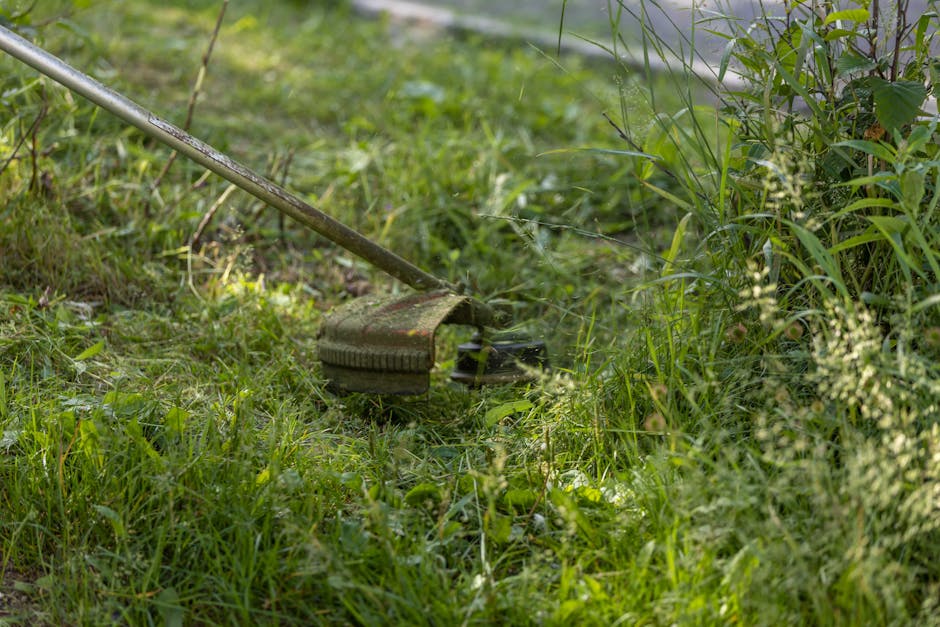
| Lawn care | Rotary mower, strimmer, rake | Sharp blades, adjustable height, easy cleaning |
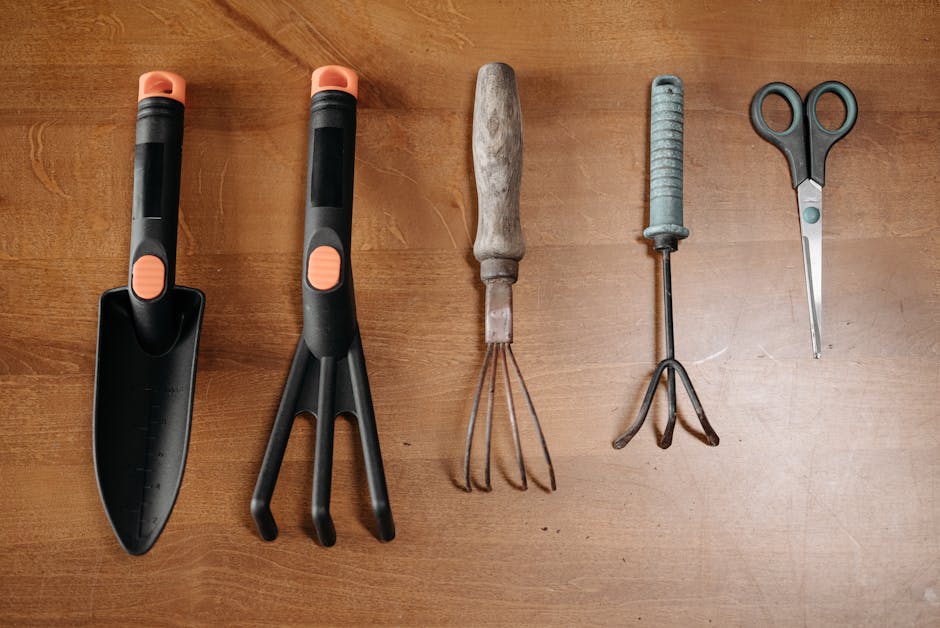
| Border maintenance | Hand trowel, fork, secateurs | Comfortable grip, clean cutting edges |
| Hedge trimming | Manual shears or powered trimmer | Good reach, balanced weight, safe handling |
| Surface cleaning | Stiff broom, scraper, pressure washing where suitable | Care around joints, grout, and delicate finishes |
| Soil improvement | Compost, mulch, feed | Appropriate product for the plant type and season |
| Planning | Notebook or phone notes | Track what was pruned, fed, planted, or repaired |
If you are building your kit from scratch, this guide to crucial gardening tools is useful because it focuses on the essentials rather than the shiny extras. And for anyone with limited space, container gardening basics can help you make the most of patios, steps, and front entrances.
For more design-led inspiration, ground cover planting can reduce bare patches and lower maintenance in the long term. See ground cover plants for UK gardens if you want options that hold soil, soften edges, and keep weeds down. Handy little things, ground cover. Quietly effective.
Law, Compliance, Standards, or Best Practice
Garden maintenance is usually straightforward, but there are a few best-practice points worth keeping in mind, especially in residential streets where gardens are close together.
- Be considerate with noise. Power tools are useful, but neighbours will appreciate sensible timings.
- Check boundary responsibility carefully. In many homes, fence ownership and hedge boundaries can be shared or unclear, so avoid assumptions.
- Watch for nesting birds and wildlife. If you are cutting back dense growth, pause and check before disturbing active nests.
- Dispose of waste properly. Green waste, branches, and soil should be handled in a tidy and lawful way.
- Use tools safely. Sharp blades, ladders, and powered equipment deserve proper care, even for short jobs.
Where a job becomes more technical - for example, large trees, structural fencing, or extensive landscaping - best practice is to bring in help rather than improvising. A well-planned landscaping service in Upton DA6 can also help when you want layout changes that look good and make ongoing maintenance easier.
For soft landscaping that aims to feel calm, balanced, and easy to live with, the ideas in zen-inspired garden design offer a useful direction without being too fussy.
Options, Methods, or Comparison Table
Not every garden needs the same kind of care. Some homeowners prefer to do the basics themselves and bring in support for the heavier work. Others want a regular service that keeps everything on rails. Both approaches can be right.
| Approach | Best for | Pros | Trade-offs |
|---|---|---|---|
| DIY weekly upkeep | Small, manageable gardens | Lower cost, flexible timing, hands-on control | Easy to fall behind, needs tools and time |
| Seasonal deep tidy | Gardens that stay tidy most of the year | Good reset, tackles major jobs at once | Can be overwhelming if left too long between visits |
| Scheduled maintenance | Busy households and visible front gardens | Consistent appearance, less stress, fewer surprise issues | Ongoing cost |
| Specialist support for certain tasks | Hedges, trees, patios, fencing, and larger plots | Better results for technical work, safer for more demanding jobs | Requires coordinating different services |
For many Upton High Street homes, the sweet spot is a mix: handle the easy weekly bits yourself, then use outside help for the jobs that need equipment, height access, or specialist judgement. That keeps the garden looking cared for without swallowing your Saturdays.
Case Study or Real-World Example
A typical Upton High Street home might have a narrow front garden, a modest rear lawn, a small patio, and a hedge along one boundary. At first glance, nothing dramatic. But over a single season, little issues start to stack up: the lawn gets patchy from shade, the patio becomes slippery after rain, the hedge grows broad enough to block light, and weeds keep appearing along the path edge.
The best results usually come from sorting the space in layers. First the surface clean-up. Then the cutting. Then the soil work. After that, the homeowner can decide what to simplify for the long term - maybe replacing thirsty beds with easier planting, or adding structure so the garden is less exposed to road dust and wind. In a case like this, a combination of lawn care, hedge trimming, and patio cleaning often makes the garden look transformed without major construction.
One thing people often notice after a proper tidy is how much bigger the garden feels. That is not magic. It is just the removal of clutter, overgrowth, and visual noise. Still, it feels a bit magical when you stand there on a bright morning with a cup of tea and suddenly the space breathes again.
Practical Checklist
Use this checklist to stay on top of garden maintenance through the year:
- Walk the garden weekly and note any problem areas.
- Mow the lawn before it gets too long.
- Trim hedges and edges before they look ragged.
- Pull weeds while they are still small.
- Sweep patios, paths, and decking regularly.
- Check for slippery surfaces after wet weather.
- Inspect fences, gates, and boundary fixings.
- Prune damaged or crossing branches carefully.
- Refresh compost, mulch, or feed where needed.
- Remove fallen leaves and debris before they rot down into a mess.
- Review planting that is failing, overcrowded, or too high-maintenance.
- Book specialist help for trees, large hedges, or difficult repairs.
If you are trying to decide what to improve first, this guide on revamping a forgotten backyard can help you prioritise the jobs that make the biggest visible difference quickly.
Get a free quote today and see how much you can save.
Conclusion
The best garden maintenance tips for Upton High Street homes are the ones you can actually keep up with. That means regular mowing, timely hedge care, clean paths, sensible planting, and a realistic eye on what needs professional support. You do not need a perfect garden. You need one that feels tidy, safe, and pleasant to step into whenever the weather allows.
Start with the obvious jobs. Keep going with the small ones. And if a task is too big, too high, or too messy to tackle confidently, there is no shame in getting help. That is just good judgement. A well-kept garden never comes from one heroic weekend. It comes from a steady, human rhythm - and that rhythm is absolutely manageable.
When you get it right, the whole house feels easier to live in. That is the quiet payoff, and it is worth it.
Frequently Asked Questions
How often should I maintain a garden on Upton High Street?
For most homes, a light weekly tidy and a more focused monthly check works well. In growing season, lawns and hedges may need attention more often. The key is not letting small jobs pile up.
What are the most important garden maintenance tasks?
The basics are lawn care, hedge trimming, weed removal, surface cleaning, and checking for damaged fencing or branches. Those five areas usually make the biggest difference to both appearance and safety.
Is professional garden maintenance worth it for a small garden?
Often, yes. Small gardens can still be time-consuming, especially if they have awkward access, paving, hedges, or shaded lawn areas. A professional service can keep things consistent and save you a lot of hassle.
What should I do first if my garden has become overgrown?
Start with a clear-up: remove debris, cut back obvious overgrowth, and sweep surfaces. After that, deal with the lawn, weeds, and any structural issues such as fencing or tree branches.
How do I keep my lawn looking better for longer?
Mow regularly, avoid cutting too short, and feed or aerate when needed. If the grass is patchy or tired, consider more structured lawn care rather than relying on mowing alone.
What is the best way to stop weeds in paving?
Regular sweeping and removing weeds early are the simplest steps. Once weeds establish themselves in joints, they become more stubborn. A good cleaning routine helps a lot.
Can hedge trimming improve privacy as well as appearance?
Yes. A well-shaped hedge can screen views, reduce street exposure, and make the garden feel more enclosed. It also tends to look tidier when trimmed consistently.
When should I call in tree surgery rather than pruning myself?
If branches are large, near structures, unstable, or high off the ground, it is safer to use specialist help. Tree work can be unpredictable, and it is not worth taking risks with heavy limbs.
How do I make a small Upton garden easier to look after?
Choose low-maintenance planting, use ground cover, reduce bare soil, and keep the layout simple. A tidy design with fewer awkward corners is much easier to maintain week by week.
What garden jobs are best left to professionals?
Jobs involving tall hedges, large trees, major landscaping, difficult fence repairs, or thorough patio cleaning are often better handled by professionals. They usually have the right tools and experience for the task.
How can I prepare my garden for winter?
Clear leaves, tidy borders, protect tender plants, and check for any weak points in fencing or drainage. There is also useful winter-focused guidance in keeping your winter garden thriving.
What is the easiest way to keep a garden tidy all year?
Stick to short, regular sessions rather than long clean-ups. Ten or fifteen minutes every week often works better than one exhausting day every few months. That steady habit is the real secret.