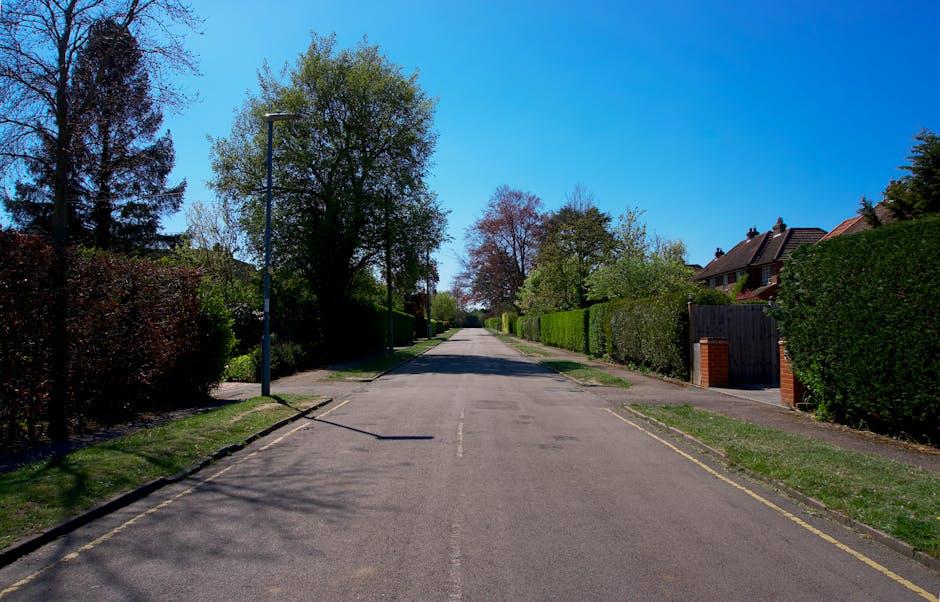
Common problems with driveway access for Upton gardeners
If you have ever tried to move a mower, hedge trimmer, wheelbarrow, or a full bag of soil through a narrow drive, you already know the issue: driveway access can make an otherwise simple gardening job feel like a small obstacle course. For Upton gardeners, this is not just a nuisance. It affects how quickly work starts, what equipment can be used, where waste goes, and how safely a team can move around. In some homes, the driveway is wide but awkward. In others, it is short, sloped, shared, blocked by cars, or simply not built with garden work in mind. This guide breaks down the common problems with driveway access for Upton gardeners and shows how to deal with them in a sensible, practical way.
Why Common problems with driveway access for Upton gardeners Matters
Driveway access sounds like a small detail until the first five minutes of a job go sideways. Then it becomes the detail. Gardeners need enough room to park, unload equipment, reach the back garden, and remove waste without damaging paving, lawns, gates, walls, or vehicles. If access is poor, the work often takes longer, costs more in labour, and can become less tidy than it should be.
In Upton, as in many London areas, properties can vary sharply from one street to the next. You may see older homes with tight side passages, newer homes with shared drives, and properties where kerb space is limited. That means the access problem is rarely one-size-fits-all. A team doing garden care visits in Upton may need to plan very differently from one property to the next, even if both look straightforward from the road.
It matters for quality too. If a gardener cannot get materials close to the work area, they may need to carry everything by hand in multiple trips. That is slower, a bit tiring, and honestly not ideal when the weather turns damp and the ground gets muddy. You will notice the difference most on bigger jobs such as clearance, hedge reduction, landscaping, or regular maintenance with heavy tools.
How Common problems with driveway access for Upton gardeners Works
Access issues usually appear in one of four stages: arrival, unloading, movement through the property, and waste removal. If one stage is awkward, the whole visit tends to slow down. A good gardener will check the route from vehicle to work area before starting, but the homeowner can help enormously by spotting the problem in advance.
Typical driveway access problems include:
- Width restrictions that prevent vans from pulling in safely.
- Height limitations from low tree canopies, archways, or garage structures.
- Shared access where neighbours also need to use the route.
- Surface issues like loose gravel, broken paving, moss, or steep gradients.
- Blocked access from parked vehicles, bins, or stored items.
- Security barriers such as locked gates or narrow side entrances.
There is also the question of turning space. A van may fit down a drive but still be difficult to reverse out of, especially on a curve or if the driveway is tight against a boundary wall. That is the sort of thing people forget until it is too late. A little awkward, a little annoying, and then suddenly everybody is moving plant pots out of the way.
For services like lawn work, hedge cutting, or garden clearance, access determines whether equipment can be brought close to the task. For heavier work such as landscaping, fencing, decking, or tree surgery, access can affect machinery choice, loading time, and how safely materials are handled. If you need a broader service package, pages such as routine garden maintenance and landscaping support are often part of the same planning conversation.
Key Benefits and Practical Advantages
Sorting driveway access in advance does more than save a few minutes. It changes the whole feel of the job. Here is what better access normally gives you:
- Faster setup and pack-down, which keeps visits efficient.
- Less risk of damage to paving, edges, gates, fencing, and vehicles.
- Safer movement for tools, fuel, cuttings, soil, and waste.
- Cleaner working conditions because materials can be placed where they are needed.
- More accurate quoting since the time and effort are easier to estimate.
- Better results on larger jobs, where access becomes a real limiting factor.
There is a quieter benefit too: less stress. When the access route is clear, the visit feels organised. The gardener can get on with the work. The homeowner is not stepping around bags or worrying that a gate will scrape a vehicle. It sounds minor, but it changes the tone of the whole experience.
Good access also helps with specific services. For example, regular mowing can be done more smoothly when the route to the lawn is open, while cleaning jobs such as patio cleaning in Upton become much easier when hoses, tools, and drainage points are not fighting a narrow passage. The same goes for lawn mowing visits, where time spent carrying equipment can be the difference between a neat, efficient appointment and a frustrating one.
Who This Is For and When It Makes Sense
This topic matters for almost anyone booking garden work in Upton, but it is especially relevant if your property has one or more of the following:
- a narrow or shared driveway
- a steep slope or uneven surface
- limited turning space for vans
- locked gates or side access only
- cars that cannot easily be moved
- large hedges, trees, or overhanging branches near the entrance
- frequent deliveries, bins, or other obstructions
It also makes sense to think about access before seasonal work, when gardens are busier and visits are more frequent. Spring tidy-ups, summer hedge growth, autumn clearance, and winter protection can all create extra handling needs. If you are tackling a bigger refresh, even advice from this backyard revamp guide can be useful because it tends to remind people that logistics matter just as much as plant choices.
For homeowners, landlords, and property managers, driveway access planning is especially useful when different trades or gardeners may visit on different days. It avoids the classic situation where everyone assumes someone else will move the car. Classic, really.
Step-by-Step Guidance
If you want to prevent access headaches, do this before the appointment rather than during it.
- Measure the entrance. Check the narrowest point, not the widest. That may be the gate, a bend, a wall, or even overhanging branches.
- Look at the whole route. Walk from the driveway to the garden and note steps, uneven slabs, tight corners, wet patches, and hanging obstacles.
- Move vehicles and bins early. Give the gardener the cleanest possible route. If a car cannot be moved, say so before the visit.
- Decide where tools can be unloaded. A small landing area near the gate or garage can save a lot of carrying.
- Check for shared access problems. If you share a drive, let neighbours know the working window.
- Flag fragile surfaces. Fresh resin, loose gravel, slippery decking, or old paving may need extra care.
- Tell the gardener about waste removal. If clippings, branches, soil, or rubble need to leave the property, the access route should suit that too.
A simple pre-visit message can work wonders. Something like: "The driveway is narrow, the car needs to stay in place, and the side gate is the main route to the back garden." That gives a gardener enough information to plan properly. Nothing fancy. Just clear, honest detail.
If there are overgrown hedges or trees narrowing the entrance, it can help to deal with them before bigger projects. Services like hedge trimming and tree surgery in Upton are often the practical fix when branches or crowns are literally eating into the access space.
Expert Tips for Better Results
In our experience, the best access solutions are usually the simplest ones. Not glamorous, but they work.
- Keep the entrance permanently clear. A tidy driveway saves time every single visit.
- Use temporary protection. Boards, sheets, or mats can help protect fragile surfaces when moving heavy items.
- Trim back growth before it becomes a problem. Hedges and climbers often creep into access routes faster than people expect.
- Choose the right time of day. If parking is tight on your street, early starts can reduce stress.
- Think in both directions. It is not only about getting in. It is also about getting out without a scraped bumper or a bag of cuttings in the way.
If your garden has tricky boundary planting, privacy screening, or climbers around the drive, it is often worth reading up on broader planting and structure choices. For example, fast-growing privacy hedges can be useful for screening, but they need managing carefully so they do not become an access problem later on. Likewise, dealing with ivy can stop a wall or fence line from turning into a messy squeeze point.
One more thing: weather. A driveway that seems manageable on a dry morning may become slippery, muddy, or awkward after rain. London weather has a funny way of testing everyone's patience, usually at the least convenient time.
Common Mistakes to Avoid
Most access problems are avoidable, but the same mistakes crop up again and again.
- Assuming a van will fit without checking. It might. It might not.
- Forgetting to move the car. This is the big one. The job can stall before it starts.
- Ignoring turning space. Entry is not enough if exit is hard.
- Leaving tools at the far end of the garden. That creates extra carrying and unnecessary wear.
- Not warning about low gates or steps. These small details matter more than people think.
- Letting hedges and trees encroach. Growth can narrow access gradually, so it sneaks up on you.
Another easy mistake is underestimating the impact of decorative surfaces. A lovely gravel drive may look perfect in photos, but if it shifts underfoot or sinks under wheelbarrow loads, it becomes a handling issue very quickly. Same goes for old decking near the entrance. If that is part of your route, it should be stable enough for repeated use; otherwise, decking services may be worth considering before heavier garden work begins.
And yes, leaving the wheelie bin exactly where the gate swings open does happen more often than anyone wants to admit.
Tools, Resources and Recommendations
You do not need a huge amount of kit to improve driveway access, but a few practical tools make life easier:
- Measuring tape for width, gate gaps, and turning points
- Work gloves for moving debris, pruning growth, or shifting items
- Temporary ground protection such as boards or mats for fragile surfaces
- Wheelbarrow or garden cart for moving heavy waste in fewer trips
- Pruning tools to clear branches and hedge growth at the edge of the drive
- Head torch or portable light if early or late access is unavoidable
For broader upkeep, regular planning is easier if your garden is already reasonably tidy. A good place to start is ongoing garden maintenance, which helps keep pathways, entrance points, and working areas under control. If the access route is part of a larger design problem, landscaping support in Upton can help reshape the layout rather than just patch the symptoms.
If you are the kind of person who likes to stay ahead of issues, a few related guides are worth a look too: essential garden tools, vertical gardening ideas, and weed control tips for keeping working areas neat.
Law, Compliance, Standards, or Best Practice
For most domestic garden visits, driveway access is less about formal rules and more about safe, considerate working practice. Still, a few common standards apply in real life. Gardeners should avoid blocking emergency access, damaging shared driveways, or moving heavy equipment in ways that could create risk to people or property. If access is shared with neighbours, communication is simply good manners and good practice.
Homeowners should also think about duty of care on their property. If the access route is slippery, broken, poorly lit, or cluttered, it can create avoidable risk for anyone working there. That is why clear communication before the visit is so important. If a gate is sticky, a path is uneven, or there is a hidden step, say so. Better a brief awkward message than an awkward fall.
Where waste removal is involved, sensible separation matters. Green waste, timber offcuts, soil, and general household rubbish should not all be treated the same way. If you are planning a larger clearance or a job that produces substantial material, it is best to agree how waste will be handled before work begins.
Best practice, in plain English: make the route clear, make the risks known, and do not leave the surprise for the day of the job.
Options, Methods, or Comparison Table
Different access problems call for different responses. Sometimes a quick tidy-up is enough; sometimes the layout needs more serious thought. Here is a simple comparison.
| Access issue | Best response | When it works well | Limits |
|---|---|---|---|
| Driveway cluttered by cars or bins | Clear the route before the visit | Most domestic garden jobs | Depends on everyone sticking to the plan |
| Narrow side access | Use lighter equipment and smaller loads | Routine maintenance, pruning, tidy-ups | May slow larger clearances |
| Overgrown boundary planting | Trim hedges or remove encroaching growth | When plants are narrowing the route | Needs recurring upkeep |
| Poor surface or slippery route | Protect surfaces and plan safer foot traffic | Wet weather, gravel, old paving | May not solve structural defects |
| Layout limits for larger jobs | Adjust the work sequence or consider redesign | Landscaping, fencing, heavy waste removal | Can need more time and budget |
There is no perfect option for every home, of course. A small courtyard property has different needs from a broad suburban drive. But if you match the method to the actual access problem, the whole job becomes much easier.
Case Study or Real-World Example
Here is a realistic example from a typical Upton property. A homeowner wanted a spring tidy-up, hedge reduction, and some waste removal from the back garden. The driveway itself looked usable, but the side route was tight, there was a parked car at one end, and the hedge along the boundary had grown far enough to brush clothing as you passed. Nothing dramatic. Just enough to slow everything down.
The fix was straightforward. Before the visit, the car was moved, the gate was left unlocked, and the hedge line near the access route was trimmed back. The gardener could unload closer to the working area, place cuttings safely, and use the route without turning sideways every few metres. The result was not just quicker. It was calmer, tidier, and less likely to cause damage.
That is the real lesson. Driveway access problems are rarely "big" problems on their own. They are small friction points that stack up. Fix two or three of them, and the job suddenly feels very manageable.
Practical Checklist
Use this before a gardener arrives. It takes five minutes, maybe less if you are organised.
- Is the driveway clear of cars, bins, and stored items?
- Can a gardener reach the garden without squeezing past obstacles?
- Are gates, latches, and locks working properly?
- Are any hedges, branches, or climbers narrowing the route?
- Is the surface safe when wet or muddy?
- Is there enough space to unload tools or materials?
- Have neighbours been told if shared access may be affected?
- Is waste removal likely to be needed?
- Are there fragile surfaces that need protection?
- Have you mentioned low steps, tight bends, or awkward corners?
If you can tick most of those off, you are in good shape. If not, there is usually a simple fix hiding in plain sight.
Get a free quote today and see how much you can save.
Conclusion
The common problems with driveway access for Upton gardeners are usually practical, not dramatic: tight entrances, parked cars, overgrown boundaries, slippery surfaces, and awkward routes to the back garden. But those small issues can have a big effect on time, safety, and the overall quality of the work. The good news? Most of them are easy to reduce once you know what to look for.
Clear the route, say what is awkward, trim back what is in the way, and plan waste movement before the job starts. That is the heart of it. Simple, but effective. And once access stops being a problem, gardening work feels a lot more enjoyable for everyone involved.
For the best outcome, treat driveway access as part of the garden itself, not as an afterthought. That small shift in thinking can save a surprising amount of hassle later on, and it gives every visit a better start.
Frequently Asked Questions
What are the most common driveway access problems for gardeners in Upton?
The most common issues are narrow entrances, blocked driveways, limited turning space, overgrown hedges, awkward side access, and wet or uneven surfaces. In a lot of homes, it is a mix of two or three problems rather than just one.
Why does driveway access matter so much for garden work?
Because access affects how quickly tools can be unloaded, how safely waste can be moved, and whether the gardener can work efficiently. Poor access can slow everything down and raise the chance of surface damage or delays.
Can a gardener still work if the driveway is very narrow?
Often, yes. A gardener may use smaller equipment, lighter loads, or a different approach to moving materials. The key is to explain the layout in advance so they can judge what is realistic.
Should I move my car before the gardener arrives?
Yes, if possible. A clear driveway makes a huge difference. If the car cannot be moved, tell the gardener before the appointment so they can plan around it instead of discovering it on arrival.
What if my side gate is the only access to the back garden?
That is fine, but the route needs to be safe and reasonably clear. Let the gardener know about gate width, steps, locks, and any tight corners so they can bring the right equipment.
Do overgrown hedges really affect driveway access?
They do, absolutely. Even a few inches of growth can make a route awkward for tools, wheelbarrows, or larger bags. Regular hedge trimming is one of the easiest ways to keep access usable.
Can driveway access affect the cost of garden work?
It can, because difficult access often takes more time and more handling. A straightforward route may allow quicker work, while a tricky route may need extra labour or a different method.
What should I tell a gardener before they visit?
Tell them whether the driveway is clear, whether cars need to stay put, how wide the access route is, whether the gate is locked, and whether there are any steps, slopes, or fragile surfaces.
How can I make access better without major building work?
Start by clearing clutter, trimming boundary growth, fixing loose paving, improving lighting, and keeping gates easy to open. Sometimes that is enough. For larger layout issues, landscaping may be the next step.
Is shared driveway access a problem for gardening visits?
It can be if neighbours are not informed or if the route is regularly blocked. Shared spaces work best when everyone knows when work is happening and what access is needed.
What if my driveway surface is slippery or uneven?
Flag it before the visit. A gardener can then plan safer movement, bring suitable footwear and equipment, or avoid using that route for heavier items if needed.
When is the best time to sort driveway access issues?
Before the work begins. Ideally, check the route at least a day ahead, especially if you expect pruning, clearance, or delivery of materials. Five minutes of planning can spare a lot of hassle later.
Who should I contact if access problems are part of a bigger garden issue?
If the problem is just clutter or overgrowth, basic maintenance may be enough. If the driveway layout, gates, or boundaries are part of a bigger design issue, a landscaping discussion is usually the better starting point.
What is the single biggest mistake people make with driveway access?
Assuming it will all work out on the day. It sometimes does, but more often than not a blocked car, tight gate, or awkward corner causes avoidable delays. A little planning goes a long way.